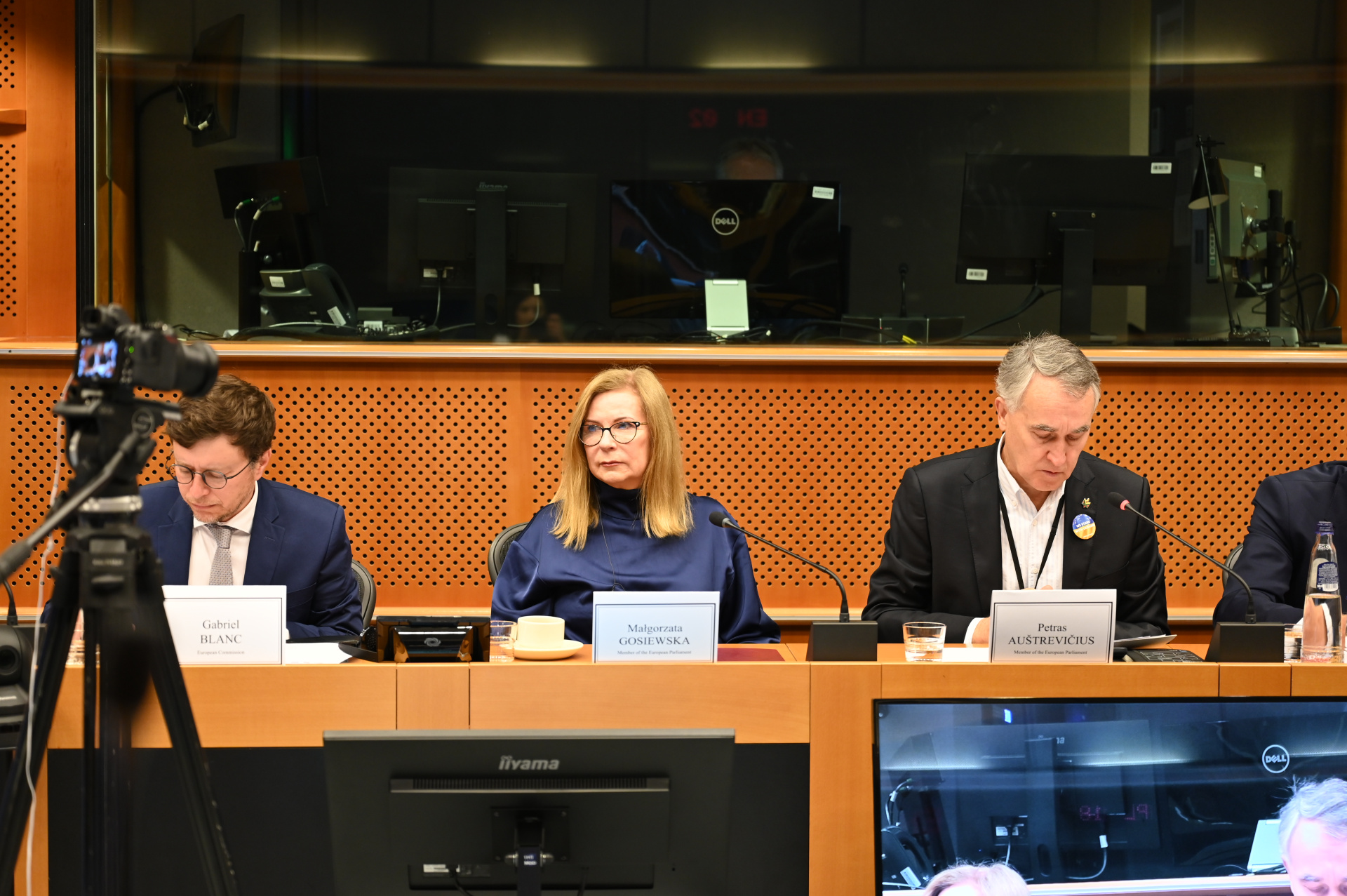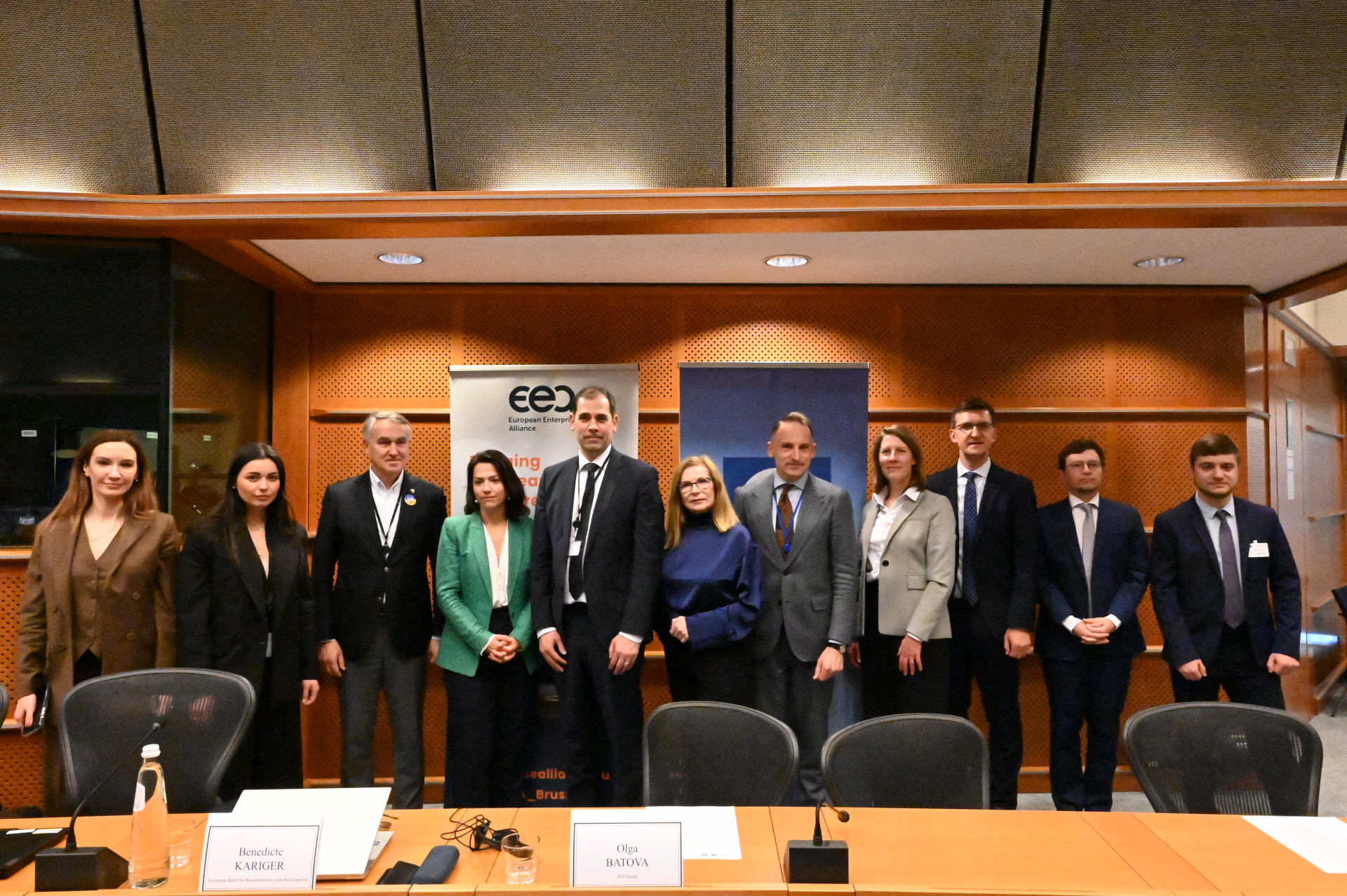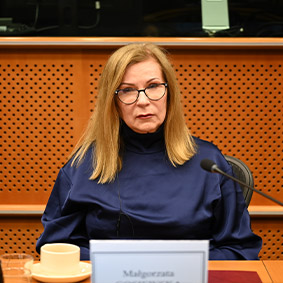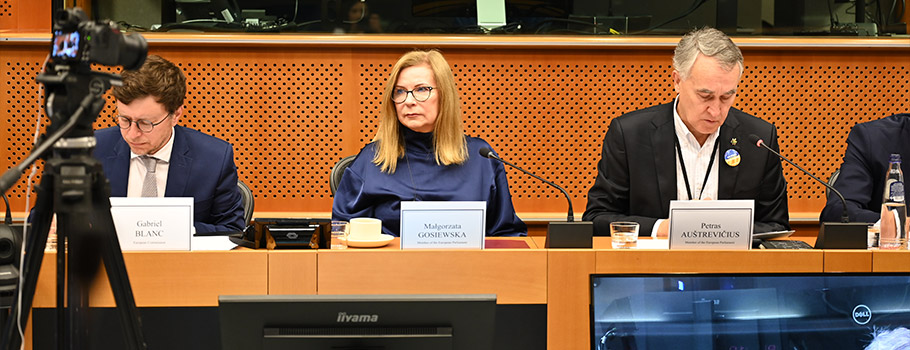
A high-level debate titled “The State of the Ukraine Investment Framework – A Vehicle for Ukraine’s Reconstruction and Prosperity” took place today at the European Parliament in Brussels. The event was co-organized by the European Business Alliance and the European Economic and Social Committee, and was co-hosted by PiS MEPs Małgorzata Gosiewska and Michał Dworczyk. Petras Auštrevičius delivered the keynote address.
The meeting focused on the Ukraine Investment Framework (UIF), which constitutes the second pillar of the EU’s Instrument for Ukraine. This mechanism aims to mobilize public and private capital for the reconstruction and modernization of the Ukrainian economy, with the goal of mobilizing up to 40 billion euros in investments by 2027.
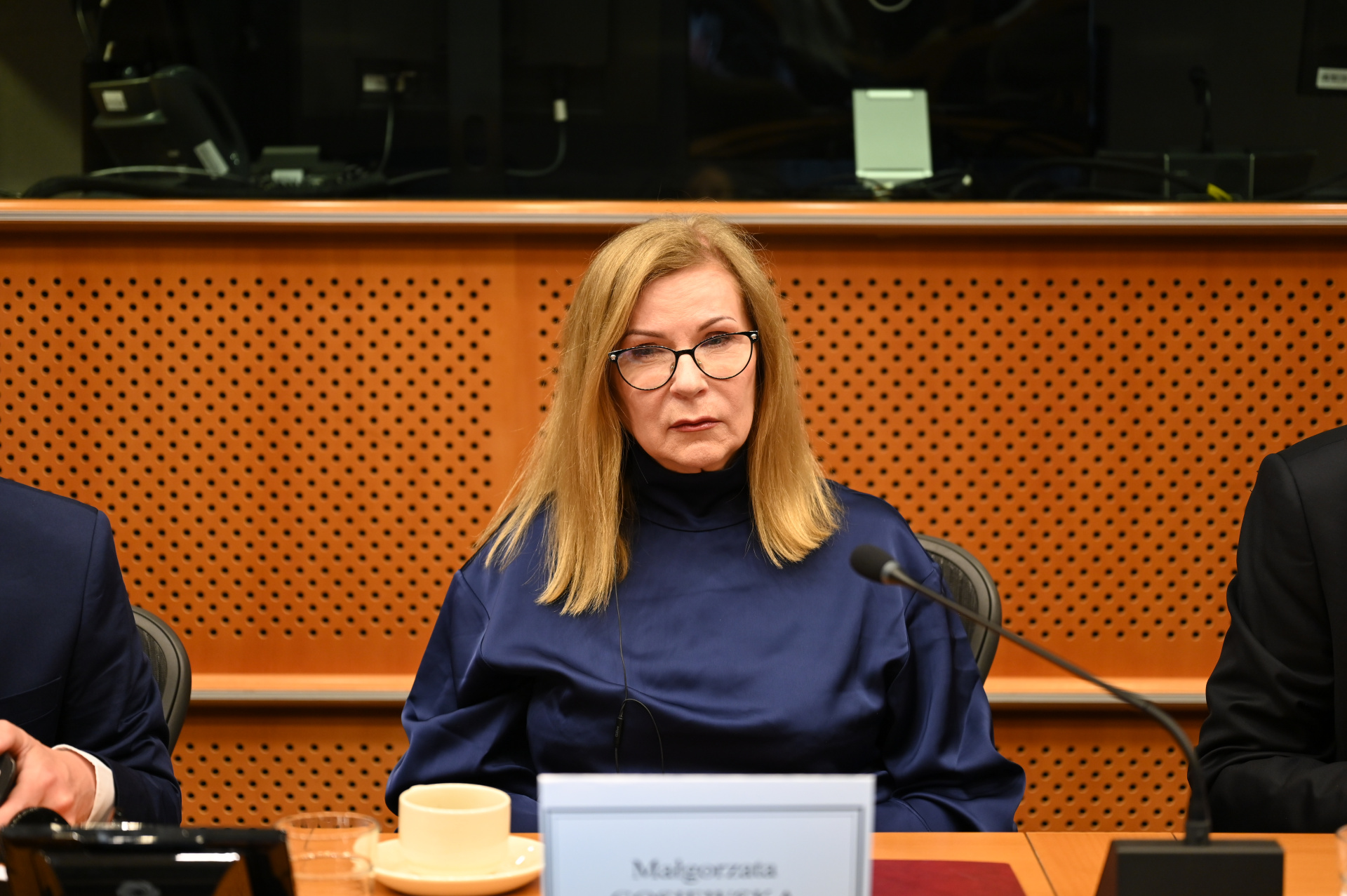
In her remarks, Małgorzata Gosiewska emphasized that the UIF is one of the key elements of the EU’s support for Ukraine, which is simultaneously engaged in military operations, rebuilding its economy, and pursuing European integration. She noted that the instrument should be viewed not only as a financial tool but also as a long-term development mechanism supporting the private sector, infrastructure reconstruction, and economic modernization.
The MEP also highlighted the importance of mitigating investment risk and effectively utilizing public funds to attract private capital. She emphasized that the scale of the program demonstrates its strategic importance for Ukraine’s future and the stability of the region.
Petras Auštrevičius, in turn, stressed the need to maintain consistent support for Ukraine and highlighted the importance of its integration with the European Union, pointing to the UIF as a key instrument for building economic and institutional foundations.
The debate was attended by representatives of EU institutions, including the European Commission and the European External Action Service, international financial institutions, and the private sector. The discussion focused on assessing progress in implementing the UIF and exploring ways to enhance its effectiveness by identifying barriers and developing recommendations.
The organizers emphasized that the meeting served as a platform for the exchange of experiences among policymakers, financial institutions, and the business community, and that its conclusions could contribute to further strengthening the instruments supporting Ukraine’s reconstruction and stabilization.