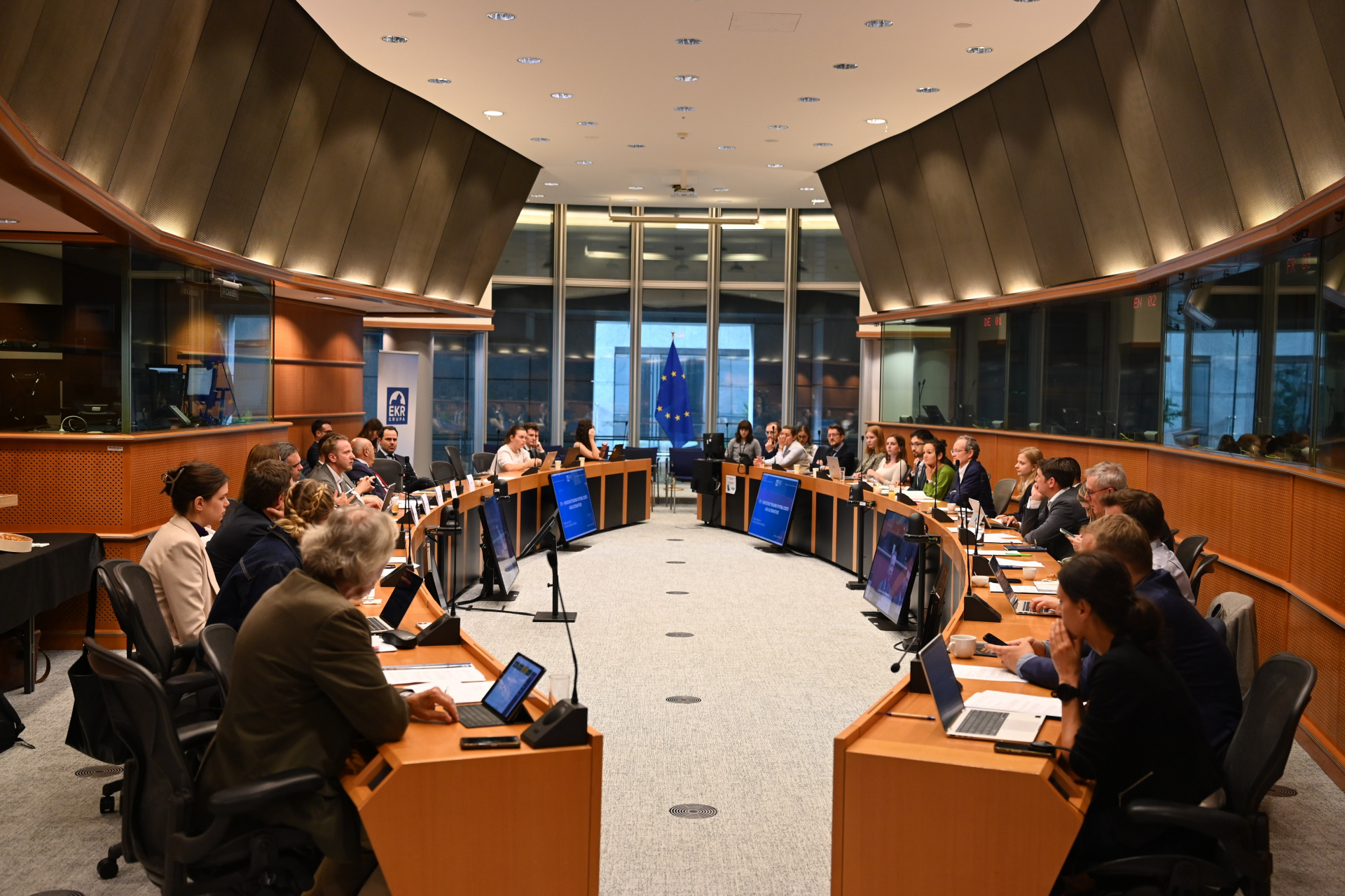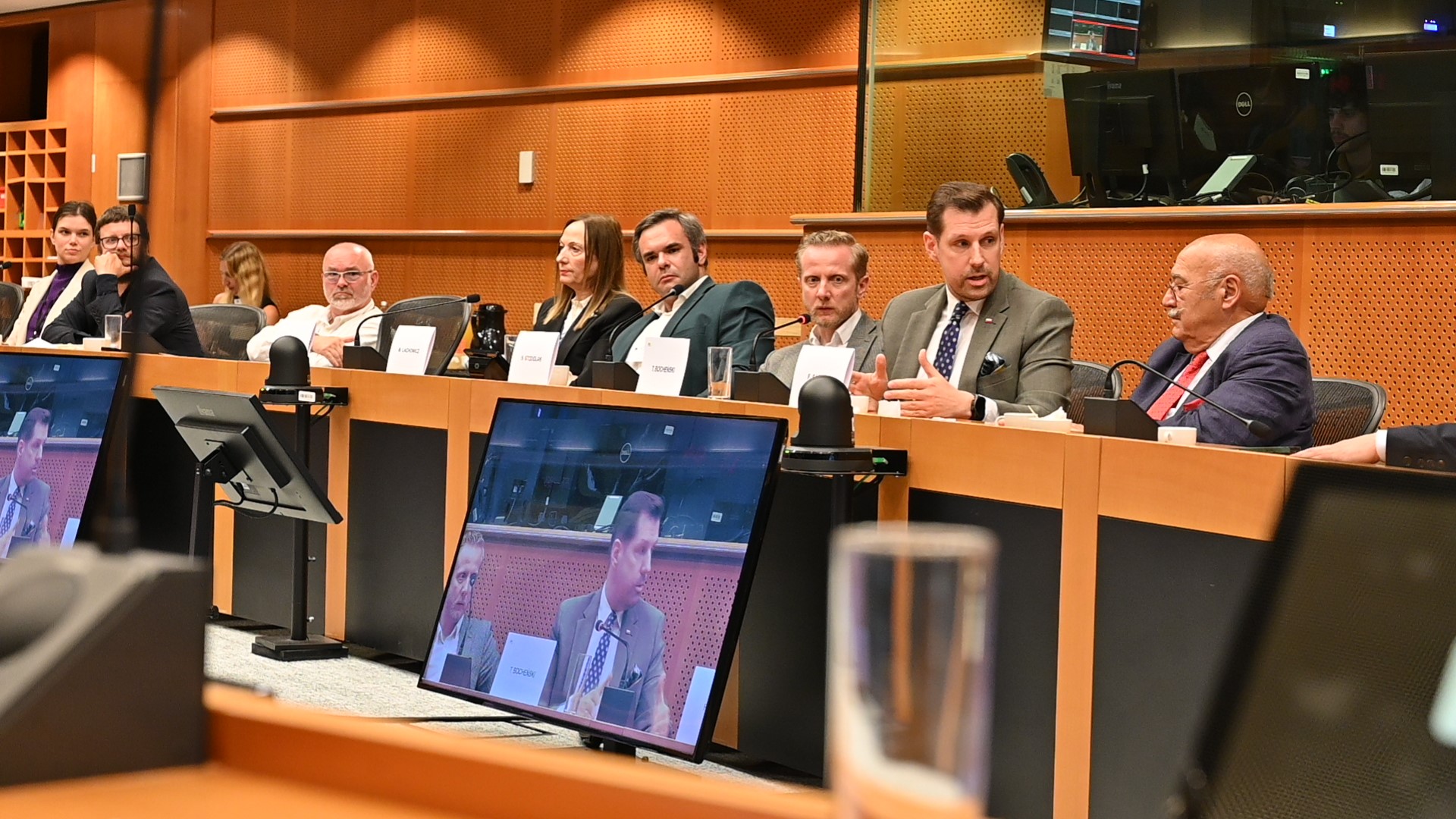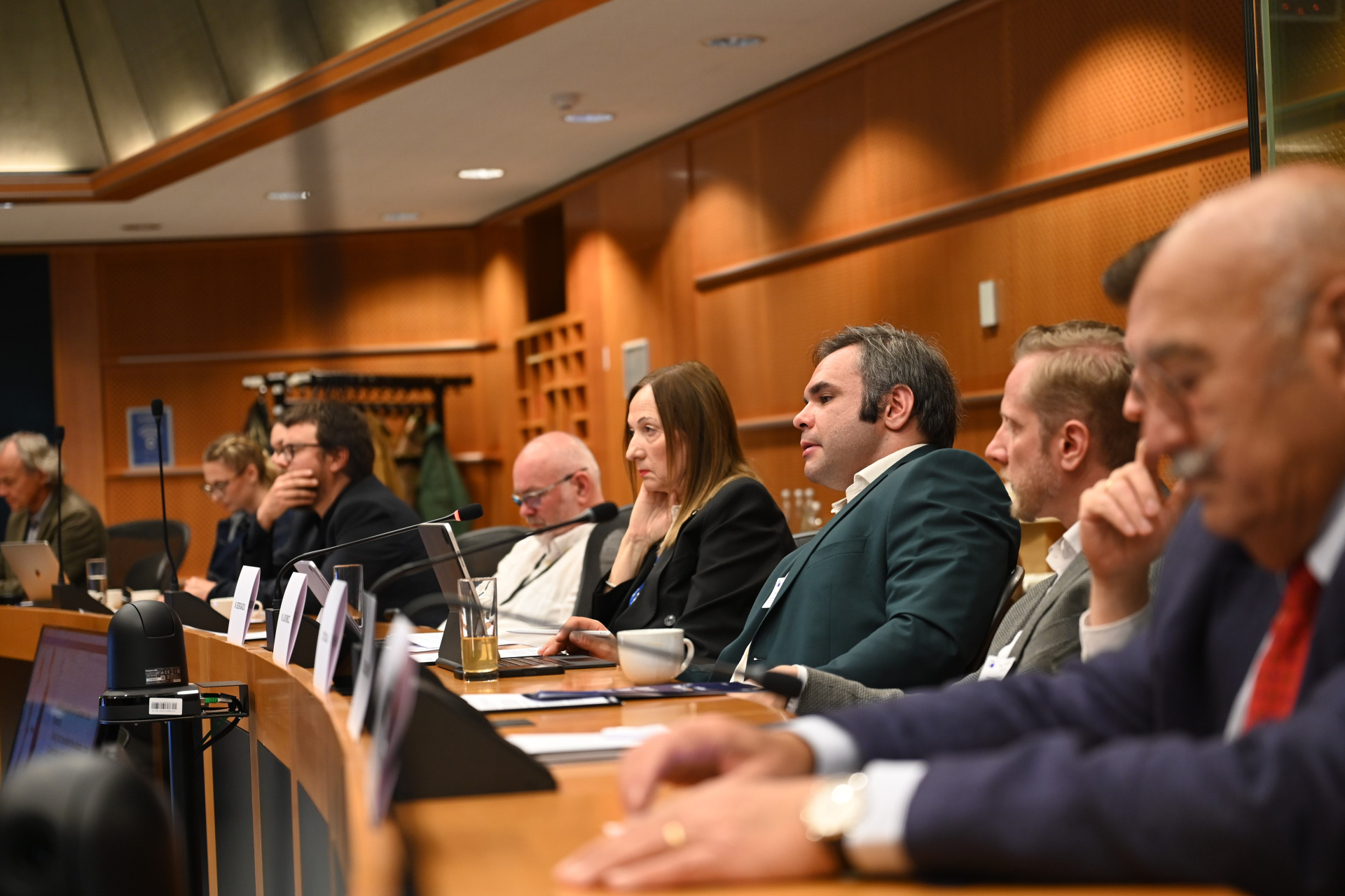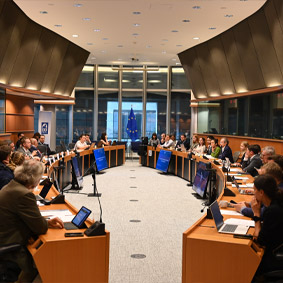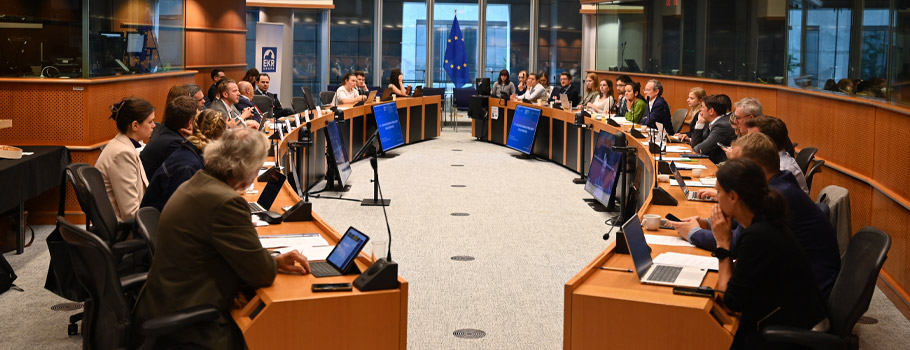
At the European Parliament, on the initiative of Law and Justice MEP Tobiasz Bocheński, a high-level debate was held titled “Climate Policy at a Crossroads: ETS—Reform or Replace?”, dedicated to the future of European climate policy and the impact of the Emissions Trading System (ETS) on the economies of member states. The event was organized jointly with the Warsaw Enterprise Institute (WEI), a Polish economic think tank.
Opening the debate, MEP Tobiasz Bocheński emphasized that climate policy is currently at the center of the most important debates concerning the future of Europe.
“The debate on climate policy today is a debate on competitiveness, energy security, and the future of the European economy. In Poland, as in Germany and many other member states, the impacts of the ETS are increasingly being discussed. That is why we need a substantive conversation based on facts, data, and economic analyses,” said Tobiasz Bocheński.
During the debate, participants discussed the economic impacts of the ETS emissions trading system and the planned ETS2. Topics of discussion included, among others, rising energy costs for households and businesses, the impact of climate regulations on the competitiveness of European industry, and possibilities for reforming the current system.
Marek Lachowicz presented the main findings of the WEI report, which includes an analysis of the costs of the ETS and ETS2 for European economies and a comparison of alternative regulatory solutions. Samuel Furfari, in turn, discussed the challenges related to Europe’s energy security and the impact of climate policy on the European Union’s geopolitical position.
Representatives of the European Commission, experts, economists, business leaders, and representatives of opinion-forming circles took part in the discussion. Participants emphasized the need to evaluate climate policy not only through the lens of environmental goals but also in terms of its impact on economic development, energy prices, and the competitiveness of the European economy.
Referring to the analyses presented, MEP Tobiasz Bocheński noted that Europe today faces the need to reassess its economic and strategic priorities.
“For years, we have grown accustomed to thinking that the transatlantic world remains the center of the global economy. Today, however, we operate in a multipolar reality. Europe’s share of global GDP is steadily declining, and this should prompt us to reflect on the causes of this trend and the necessary changes,” he emphasized.
According to the MEP, the discussion on climate policy cannot be conducted in isolation from issues of security, competitiveness, and technological development.
“At the same time, we are facing the war in Ukraine, the need to increase security spending, challenges related to the competitiveness of the European economy, and the artificial intelligence revolution. The latter requires enormous amounts of electricity available at competitive prices. The United States and China are actively participating in this technological race. Europe cannot afford to fall behind,” he noted.
Tobiasz Bocheński also pointed out that an increasing number of countries and expert circles are calling for a review of current regulatory frameworks and an assessment of their economic impacts.
“We need an honest debate on how to reconcile climate goals with maintaining the competitiveness of European industry, energy security, and the well-being of citizens. A discussion on changes to climate policy is inevitable and will grow in importance as public expectations and the economic situation evolve,” the MEP concluded.
Participants in the debate agreed that the future of European climate policy requires a broad discussion that takes into account both environmental goals and their impact on economic development, business competitiveness, and the standard of living of citizens in European Union member states.