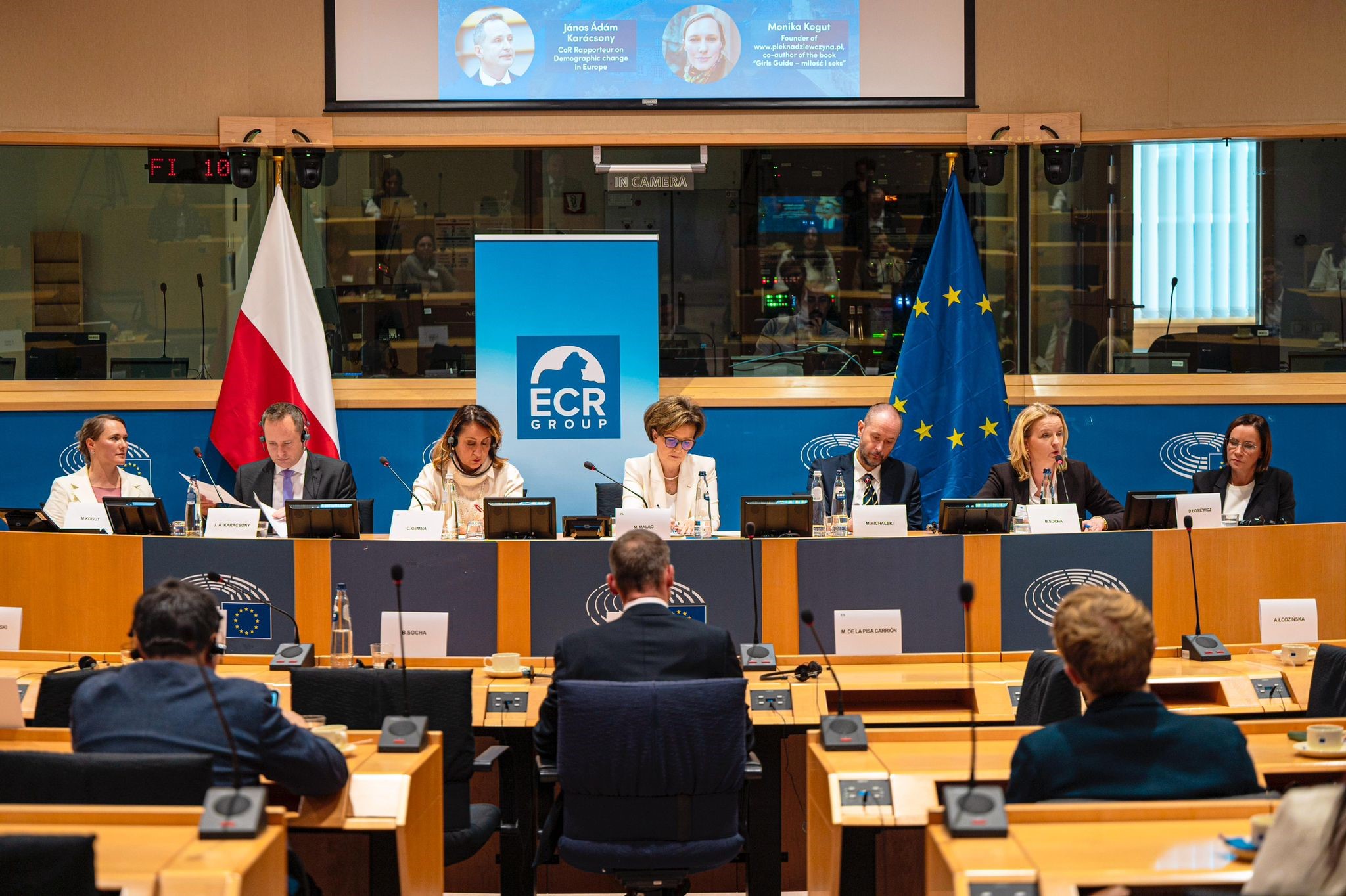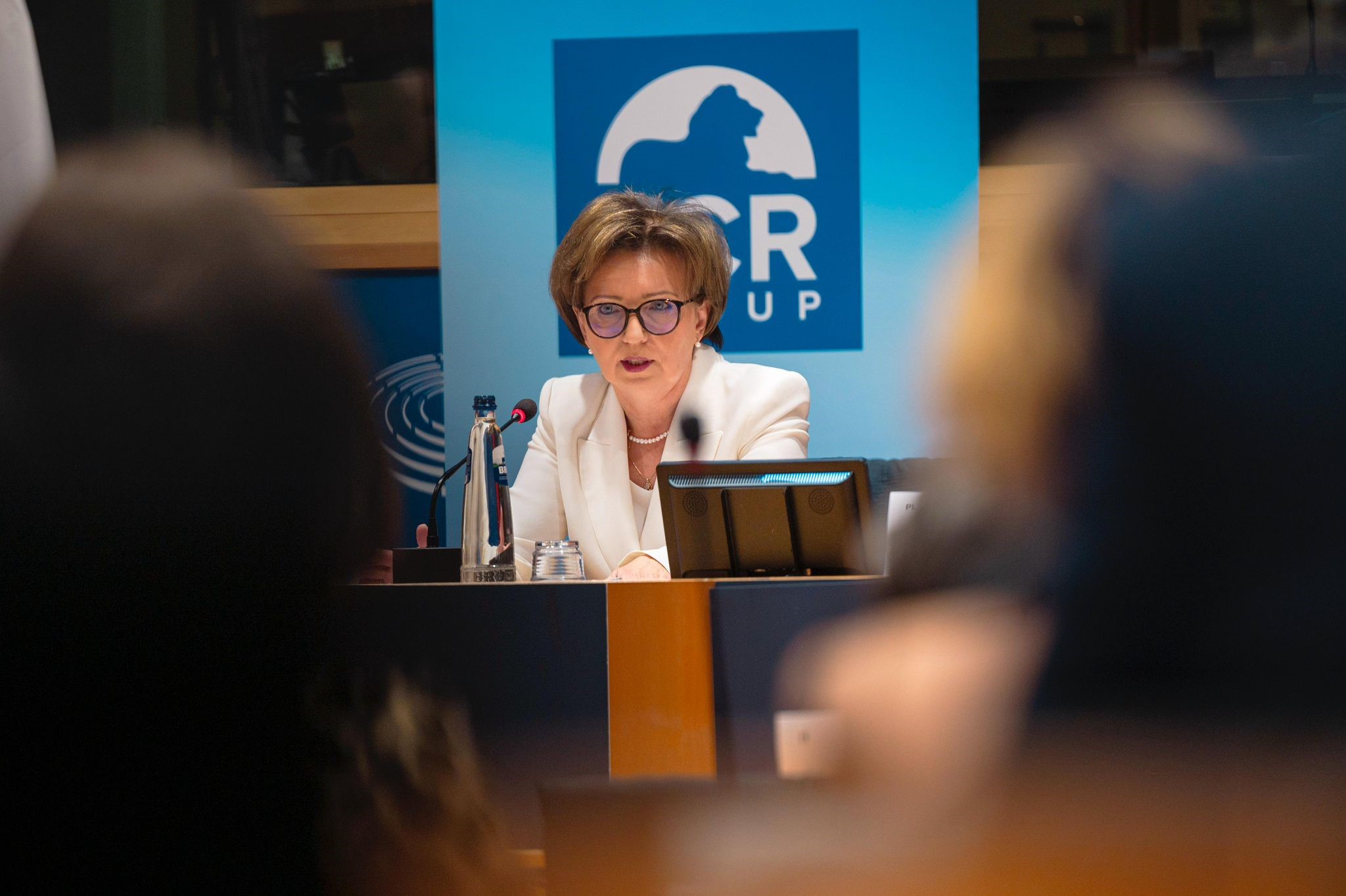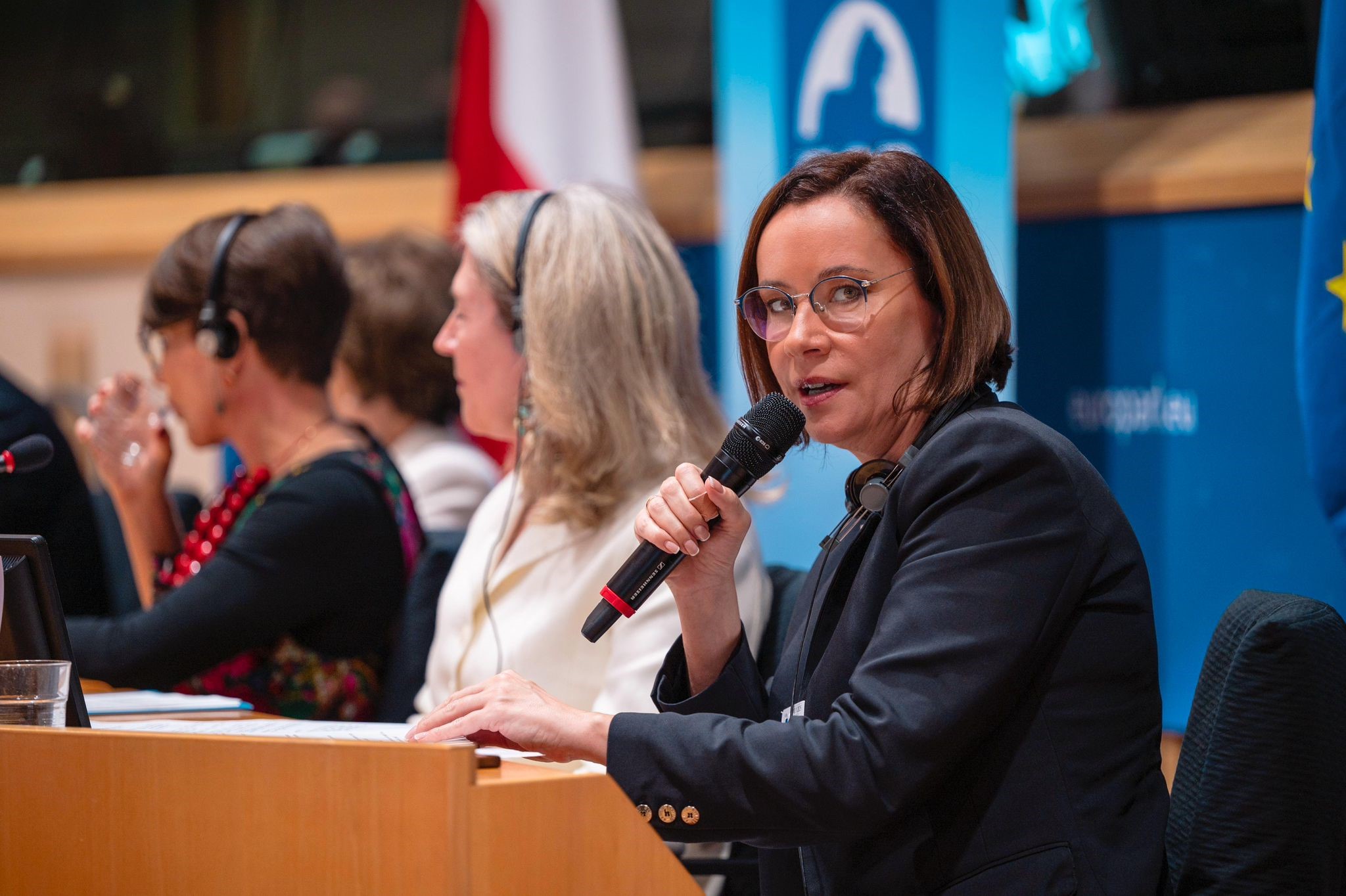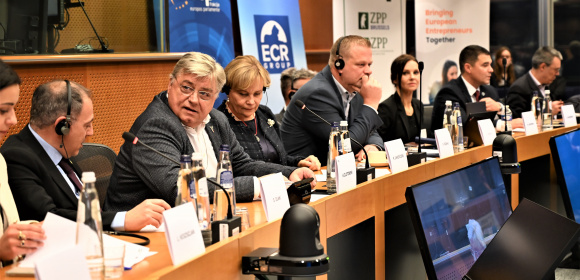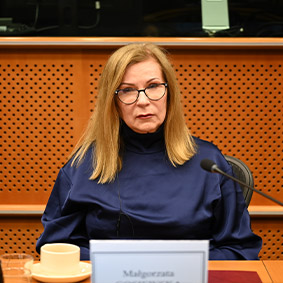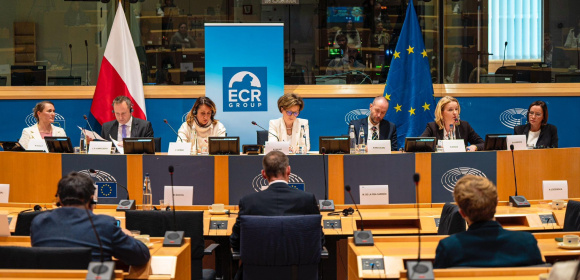
At the European Parliament, on the initiative of PiS MEP Marlena Maląg, a Demographic Congress was held focusing on two key issues: “Demographics and the Competitiveness of the European Union” and “Demographics and the Identity of the European Union”. At the event, attended by European Parliament Vice President Antonella Sberna, experts, policymakers, and representatives of European institutions discussed the impact of demographic changes on the future of Europe’s economy and cultural foundations.
During the opening of the Congress, MEP Marlena Maląg emphasized that the issue of demographics is not just a matter of statistics, but above all, the future of Europe’s nations. “Demographics shape the social, economic, and political life of the entire continent. It is on this that the security, prosperity, and quality of life of future generations depend,” said Marlena Maląg.
The MEP also recalled the words of German economist Hans-Werner Sien, who said: “If we do not solve the demographic problem, then even solving all other problems will not matter much.”
Maląg noted that demographics are, above all, about people; therefore, she emphasized, reflections on Europe’s future should center on families. “Demographics are about people, which is why, in my view, we should direct our deliberations and actions toward families. Without families, there would be no Europe; without families, there is no future for Europe. If Europe wants to continue to exist, if we Europeans want to remain leaders who set standards for other regions of the world, then we are obligated to ensure optimal conditions for starting and raising families, and to take special care of them,” she said.
Later in her speech, the MEP highlighted the need for social and cultural renewal based on strengthening family communities: “Today, in the face of various challenges and changing circumstances, we must realize that the European Union needs a kind of family renaissance. My goal—our common goal—should be to make Europe a place of happy families.”
The event’s organizer noted that people and families—the basic unit of society and the foundation of European culture, economy, and identity—are at the heart of demographic changes. “Without families, there is no Europe—this is the message we want to reiterate at the heart of European democracy,” added Marlena Maląg.
In her speech, she also called for a coherent and long-term pro-family policy at the European level, noting that the future of the Union depends on whether younger generations will want to start families.
“Strong demographics mean a strong Europe. We must invest in people—in families, education, housing, and stable working conditions. Only in this way can we build a future in which Europe remains a place of hope, not fear,” emphasized Marlena Maląg.
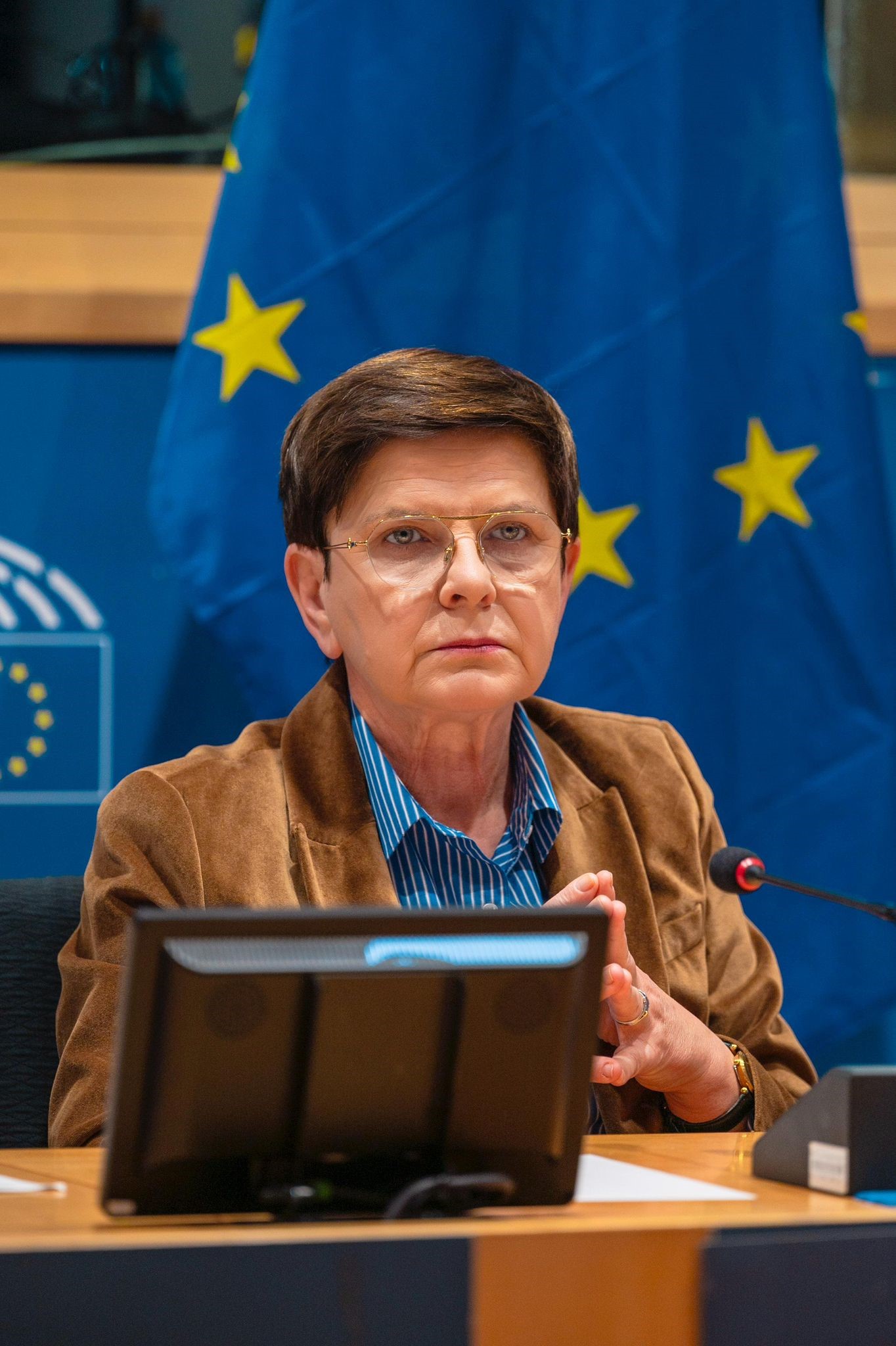
PiS MEP Beata Szydło stressed that the demographic crisis is one of the most serious challenges facing Europe, and that the continent’s future depends on effective pro-family policies. “The demographic crisis is Europe’s most serious challenge today. The future of our societies and economies depends on how we respond to this problem,” said Szydło.
The former prime minister recalled that in Poland, the “Family 500+” program marked a turning point in social policy; it not only provided financial support to families but also became a symbol of regained dignity and security. “500+ was an investment in Polish families and in the future of our country. For the first time in a long while, the state stood on the side of ordinary people,” emphasized the MEP.
Szydło noted that pro-family programs yield not only social benefits but also economic ones—strengthening local communities and creating jobs. She also pointed out that demographic policy must address issues of infrastructure, housing, education, and care for seniors.
“A family is not a cost, but an investment. If we want a strong Europe, we must start with strong families,” she concluded.
Radosław Waszkiewicz, a representative of the European Confederation of Large Families Associations (ELFAC), which brings together 22 national organizations representing thousands of families across Europe, emphasized the need to involve large families in shaping European demographic policy. “If we want to understand why Europeans are choosing to have fewer children, we need to ask those who have them,” said Waszkiewicz, noting that large families possess unique, practical knowledge about demographic barriers.
In his speech, he cited examples of discrimination faced by large families—including high indirect taxes, per-person local fees, and the lack of tax breaks when purchasing larger cars or energy. He advocated for the introduction of a so-called “tax quotient,” which would take the number of family members into account when calculating income tax.
“Large families should not be penalized for their naturally higher consumption. We need a system that understands and supports this,” he concluded.
Barbara Socha, an advisor to the President of Poland, emphasized that without reversing unfavorable demographic trends, Europe will not be able to maintain its social and economic potential. She noted that the Demographic Strategy developed in previous years was one of the key achievements of the government led by Prime Minister Mateusz Morawiecki and Minister Marlena Maląg, encompassing comprehensive measures to support families.
“Demographics are not just a matter of family policy. They are influenced by all areas of our lives—from health and education to the tax and pension systems,” said the former government plenipotentiary for demographic policy. She also pointed out that the high cost of living and the difficulties young people face in securing their own housing are currently a major barrier to deciding to start a family. “Without a stable roof over their heads, young people will not start a family. And without families, Europe has no future,” she added.
Addressing cultural issues, the former deputy minister highlighted the growing influence of social media and the culture of individualism, which are eroding interpersonal relationships. “Social media is devastating relationships—it is neither media nor social. If we want to rebuild bonds, we must support the stability of relationships and families,” she emphasized.
Professor Michał Michalski of Adam Mickiewicz University in Poznań noted that Europe is currently experiencing a crisis of its civilizational identity, forgetting the foundations upon which it built its success. “Europe was a model for the world not only economically but also in terms of civilization. Today, it has forgotten the foundation upon which that success was built,” he said.
Professor Michalski used a vivid analogy, saying that “the family is not a passenger on the European bus, but its engine—without it, Europe will go nowhere.” He also noted that the weakening of the institution of marriage leads to growing social disorder. Addressing the topic of migration, he emphasized that “it cannot be reduced to economics and security—if we start ‘saving Europe’ through immigration, it means we have given up on our self-confidence.”
In his view, demographic recovery should begin with removing the barriers that make it difficult for young people to start families. “Let’s not ask how to support families, but rather how not to stand in their way as they pursue their dreams of marriage and children,” Prof. Michalski concluded.
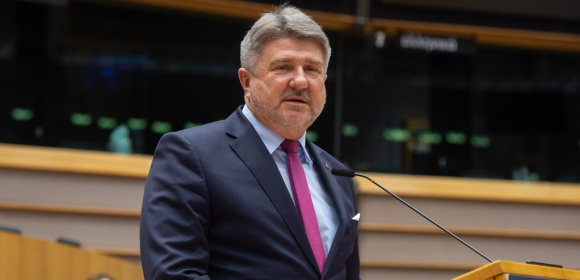
Adam Bielan, chairman of the Polish delegation to the ECR, commented on the event. Thanking MEP Marlena Maląg and all the speakers for organizing the event and for their substantive contributions to the debate, he recalled that, as Minister of Family Affairs, Marlena Maląg pursued ambitious demographic goals aimed at strengthening Polish families and countering negative trends. He highlighted, among others, the Family 500+ (now 800+) program, the Family Care Capital, and Maluch+, which have provided tangible support for families. “At the same time, senior citizen policy—with the Senior+, Aktywni+, and supplementary pension programs—has restored security and respect for the elderly,” the MEP added.
“The Law and Justice governments have shown that it is possible to pursue an effective and comprehensive pro-family policy,” he emphasized.
Bielan cited Eurostat data pointing to a deepening demographic crisis in the European Union. In 2023, the total fertility rate in the EU stood at just 1.38 children per woman, the birth rate was 8.2 per 1,000 people, while the death rate reached 10.8 per 1,000 people. This means that since 2012, more people have been dying in Europe than being born. “Even the best financial programs are not enough to reverse this trend. Demographics are a complex phenomenon requiring long-term measures that encompass not only social policy but also the strengthening of family culture and values,” emphasized Adam Bielan.
In conclusion, the MEP stressed the importance of dialogue and cooperation among member states in developing a common demographic strategy: “Poland and Europe need to seriously reflect on their demographic future. We believe that a strong Europe begins with strong families, and that a responsible demographic policy must be a priority not only on paper but in every public decision.”
“May today’s Congress mark the beginning of further efforts toward the demographic renewal of Poland and Europe,” concluded Adam Bielan.
The Congress concluded with a call to create a Coalition for Families and to develop a European demographic strategy that would unite the efforts of member states in the spirit of solidarity, respect for national traditions, and shared responsibility for the continent’s future.
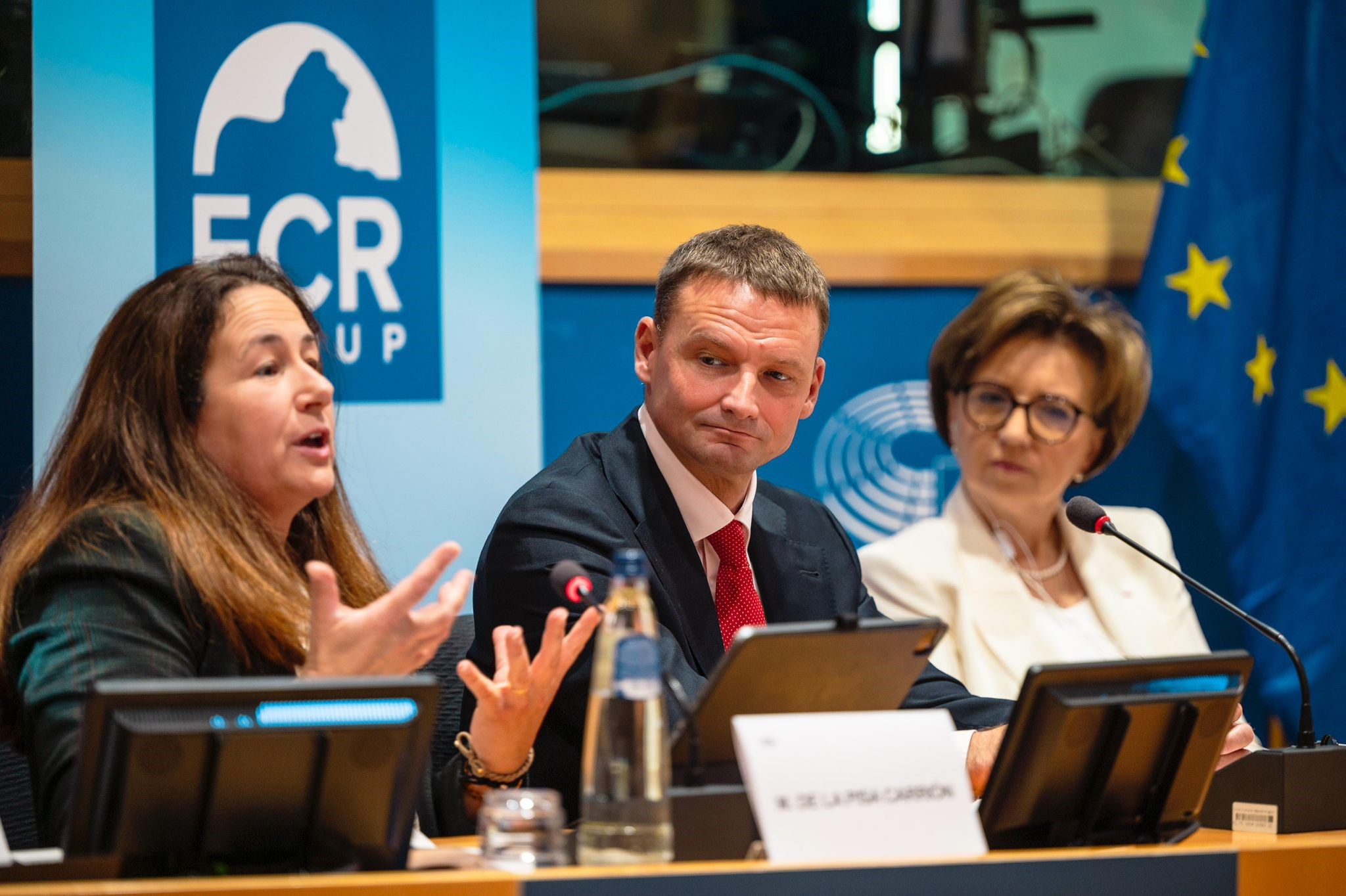
Speakers also included: Raffaele Fitto—Executive Vice-President of the European Commission, Laurence Trochu—MEP for the ECR, coordinator of the FEMM Committee, Anita Łodzińska, deputy director of the “Trzy Plus” Association of Large Families, Paolo Inselvini—MEP for the ECR, Co-Chair of the European Parliament’s Intergroup on Demography; Margarita de la Pisa Carrión—MEP for the Patriots for Europe group, a pharmacist and mother of nine children; Chiara Gemma – ECR MEP, university professor specializing in pedagogy, training, and disability, ECR coordinator in the Committee on Employment and Social Affairs (EMPL), János Ádám Karácsony – rapporteur for the Committee of the Regions on demographic change in Europe, vice-chair of the Pest County Council, and Monika Kogut – founder of www.pieknadziewczyna.pl, co-author of the book “A Guide for Girls.”
The event was moderated by Dorota Łosiewicz.