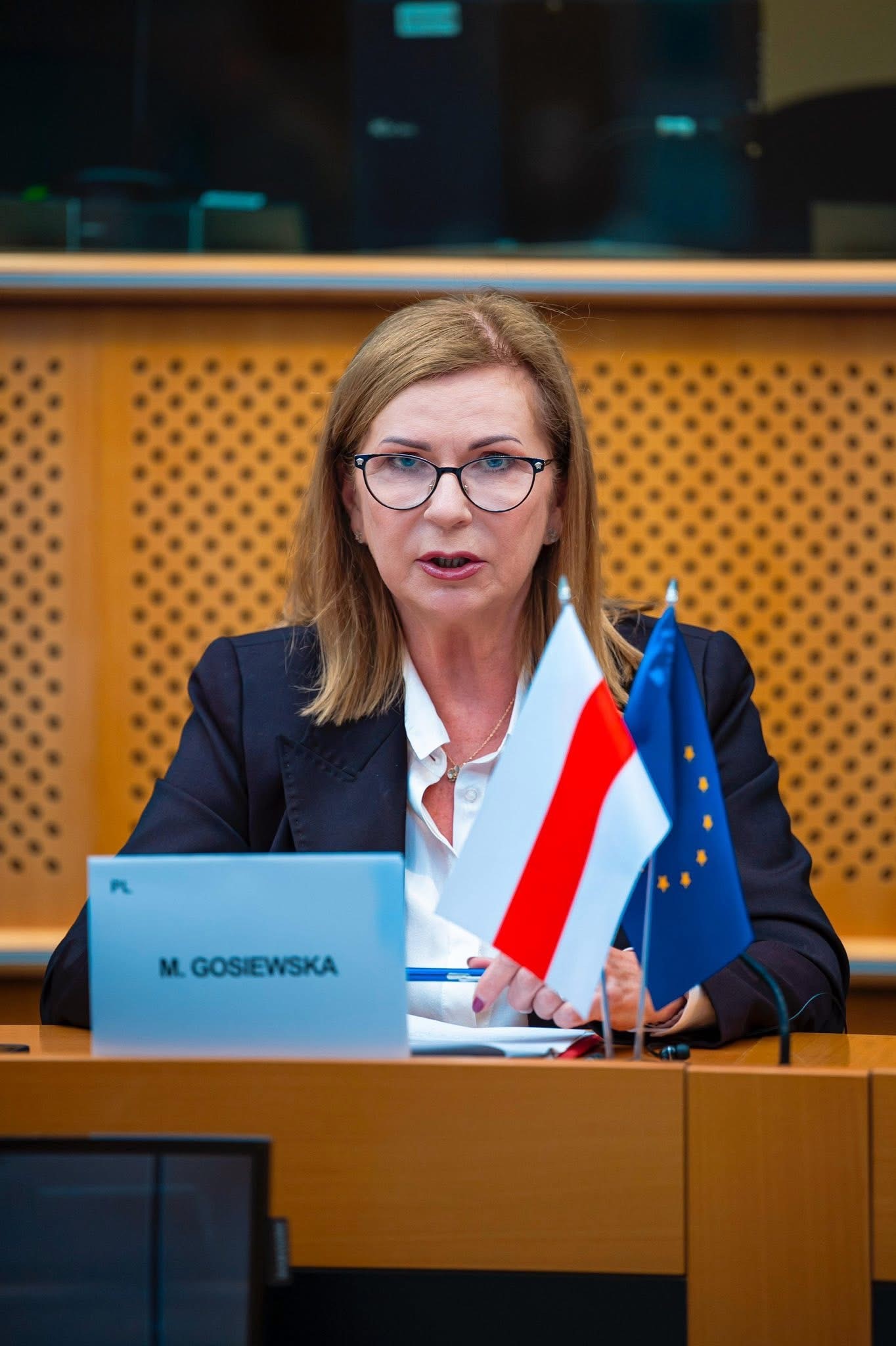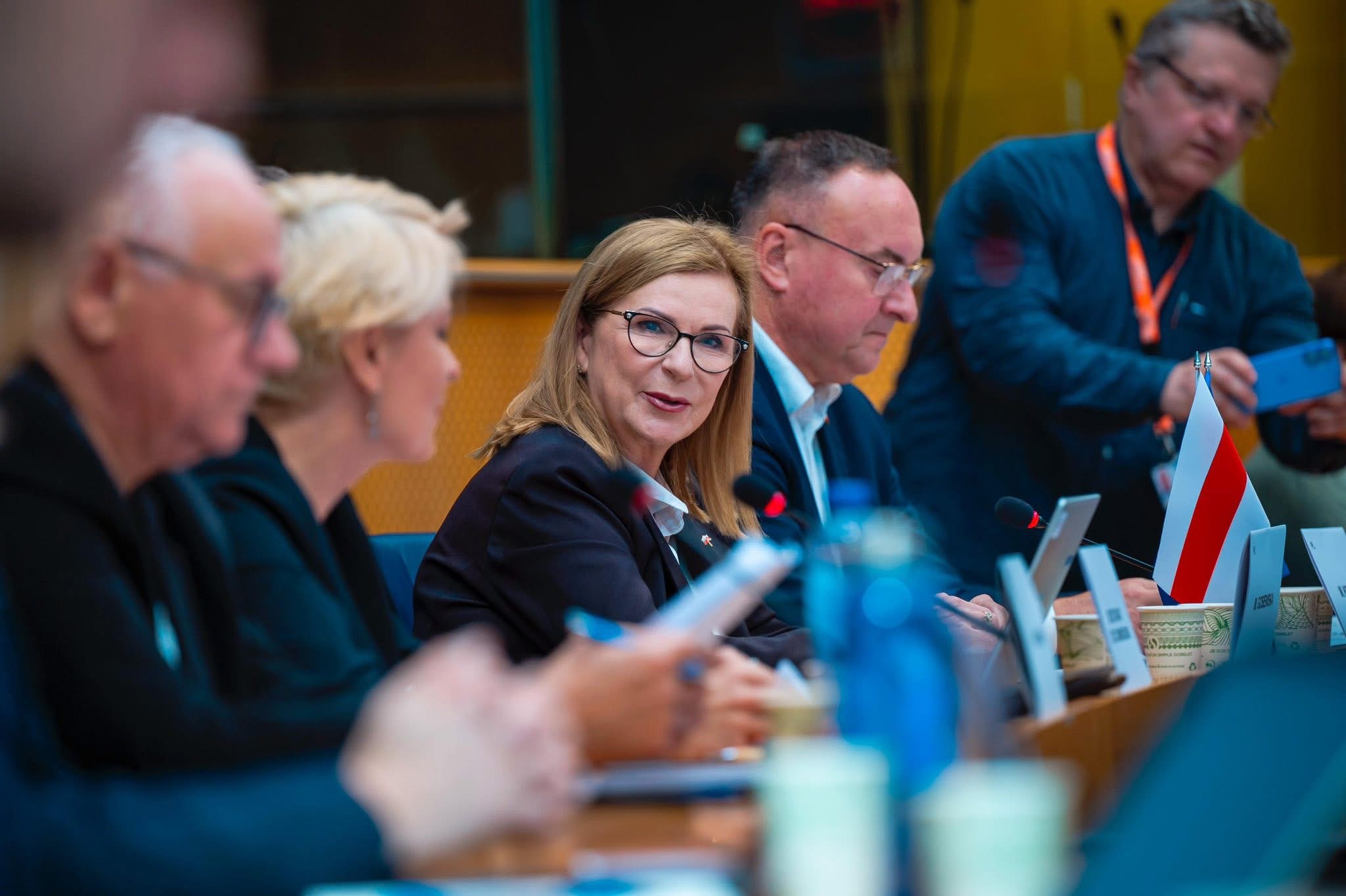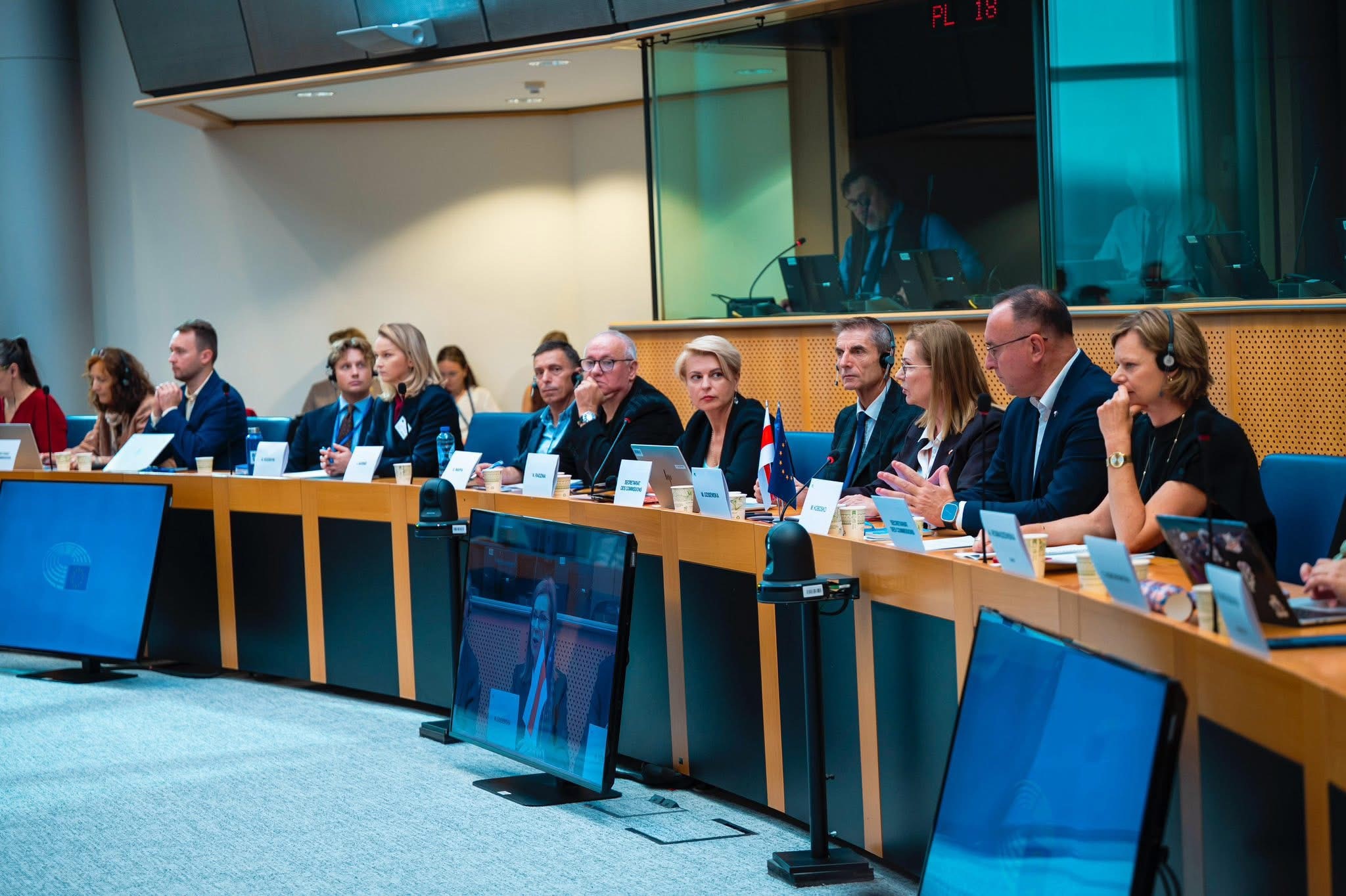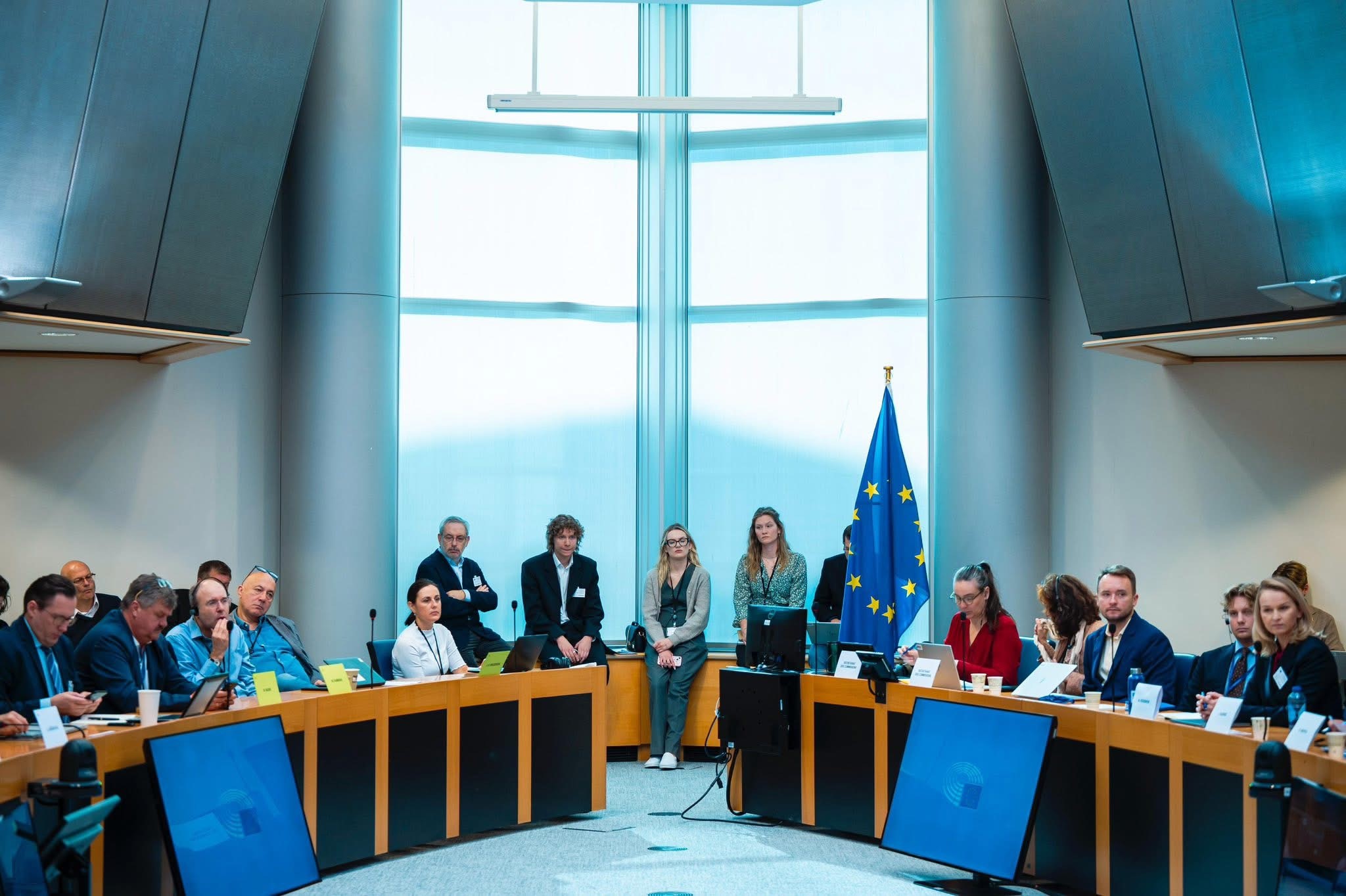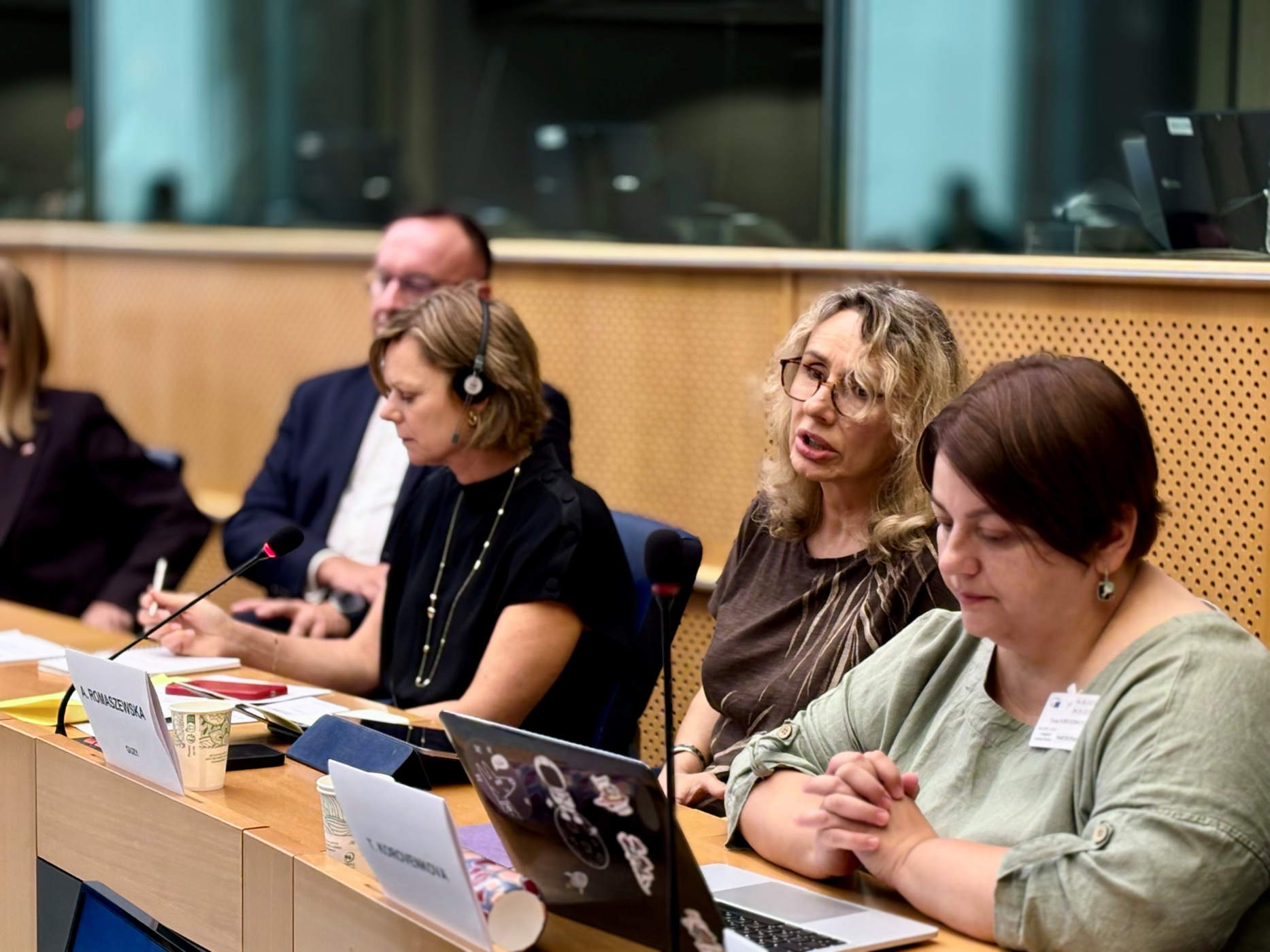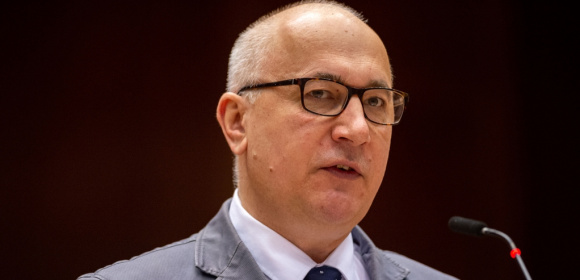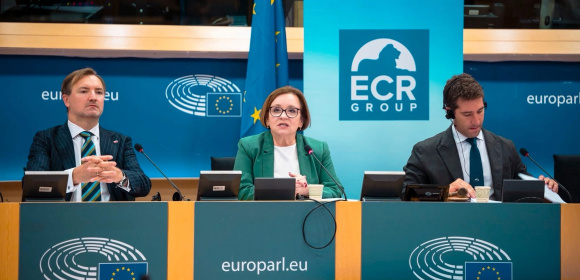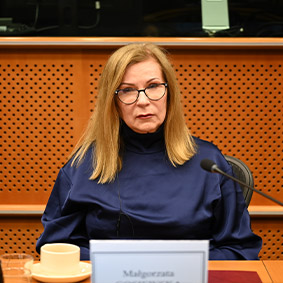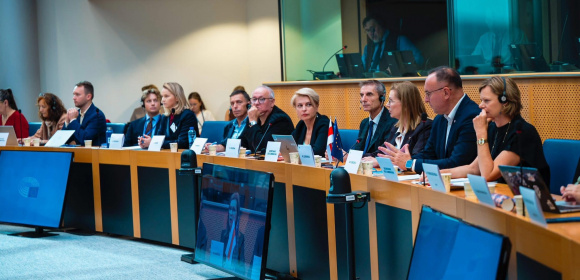
At the European Parliament in Brussels, during a meeting of the Delegation for Relations with Democratic Belarus, an exchange of views took place with representatives of independent Belarusian media in connection with the International Day of Solidarity with Journalists, which falls on September 8. The event, organized by the chair of the Delegation for Relations with Democratic Belarus (D-BY), PiS MEP Małgorzata Gosiewska, focused on the role of independent Belarusian media in supporting democratic transformation in Belarus, countering state propaganda and disinformation, and the European Union’s support for independent media in Belarus.
Małgorzata Gosiewska noted that press freedom in Belarus is seriously threatened and that the independent media community there remains one of the most heavily repressed. She noted that according to the 2025 World Press Freedom Index, published by Reporters Without Borders, the country ranks 166th out of 180. “This dismal ranking reflects a system based on censorship, intimidation, and arbitrary arrests of journalists and media workers,” Gosiewska emphasized.
The Polish politician reported that 37 Belarusian journalists are currently in prison for “reporting truthful and independent information.” She added that since 2025, 39 media organizations have been designated as “extremist groups” in order to prevent citizens from accessing reliable and uncensored information. Many of these organizations, however, continue to operate from overseas offices, demonstrating resilience in the face of repression and a commitment to providing the Belarusian public with independent journalistic coverage. As she noted, in an environment dominated by state propaganda and disinformation, independent media provide an essential alternative: they are fact-based and expose repression, corruption, and evidence of human rights violations. “In this way, they shape political awareness and lay the groundwork for a future democratic Belarus,” said the MEP.
The PiS MEP assured that the European Union strongly supports independent Belarusian media, striving to provide systemic financial support for media operating in exile and promoting a pluralistic media environment.
Gosiewska also mentioned numerous resolutions in which the European Parliament has consistently called on the Belarusian authorities to cease the criminalization of journalism and the harassment and intimidation of journalists —both those in the country and those working in exile, as well as their families remaining in Belarus.
“I would like to express our unwavering solidarity and full support for your efforts. Your determination serves as a powerful example and embodies the values of freedom, dignity, and democracy,” noted the chair of the Delegation for Relations with Democratic Belarus.
“We must remember that the media in dictatorial countries differ fundamentally from those in democratic countries,” emphasized Agnieszka Romaszewska-Guzy, founder and former director of Belsat TV. She noted that repression against independent Belarusian media is constantly escalating and that these outlets are being cut off from all sources of income, including advertising. She added that audiences also have no way to support these media outlets financially, as doing so would reveal their involvement, which could put them at risk of imprisonment or other forms of repression.
Romaszewska-Guzy emphasized that political news is a key element of independent media coverage. “Belarusians are taking risks to find out what the situation is like in Belarus and around the world,” she said. She added that supporting national identity is also important, as it helps displace Russian narratives from the minds of Belarusians.
“I have 17 years of experience raising funds for independent Belarusian media, and I know that media outlets are institutions. Therefore, they must be provided with institutional support—not just project-based support—including from the European Union and EU-funded organizations,” said the former director of Belsat TV.
She explained that the main problem in awarding grants is often a complete lack of understanding of the specific nature of media outlets facing repression, which are unable to function and develop based solely on project-based support. Romaszewska-Guzy therefore called for the creation of a sensible, long-term, and stable funding structure for independent media in Belarus.
Following the meeting, the delegation issued a statement titled “Solidarity with Belarusian Journalists Against Repression.”