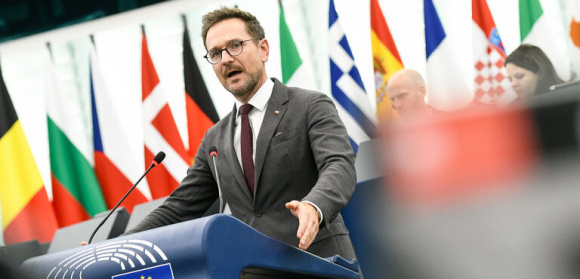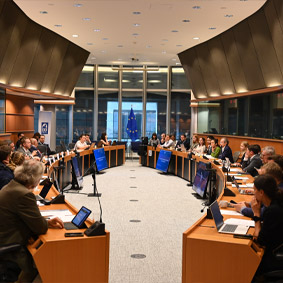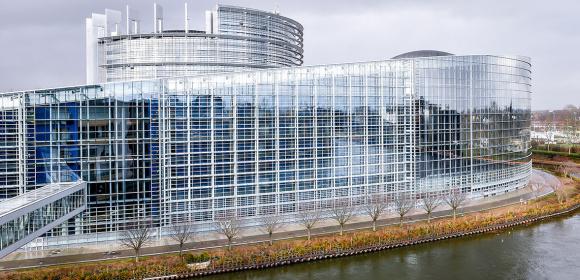
On the final day of the plenary session in Strasbourg, a debate was held on closing the skills gap in the European Union. The debate focused in particular on supporting society through the green and digital transitions to ensure inclusive growth and competitiveness, in the context of Mario Draghi’s report on the future of the EU. During the discussion, which included Commissioner Janusz Wojciechowski, PiS MEPs Marlena Maląg and Tobiasz Bocheński took the floor.
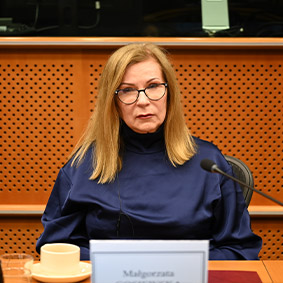
Marlena Maląg stated that the skills shortage is a serious problem affecting the entire European Union. She referred to Draghi’s report, which indicates that about three-quarters of European companies report difficulties in finding employees with the right skills. She noted that, at the same time, about 42 percent of Europeans lack basic digital skills, and this is compounded by demographic challenges and an aging population, “which gives us a picture of the current situation in the labor market.”
The MEP noted that while education and training policies fall under the jurisdiction of member states, the EU supports these efforts by promoting specific strategies and programs and providing financial assistance. She added that digital skills and vocational education—including investments in lifelong learning—are of particular importance here. “It is very important to promote events such as Euroskills, which highlight young vocational champions,” the Polish politician argued. “Instead of promoting migration, we must ensure that we train our own specialists so that the European Union is resilient to crises and significantly more competitive,” she urged.
Tobiasz Bocheński stated that the European Union is facing a very serious economic and competitiveness crisis, as demonstrated by Draghi’s report. “It’s outrageous that once again you come here, deliberate, and keep using the same vague terms that lead nowhere,” the MEP commented.
The Polish politician emphasized that competitiveness does not stem from bureaucracy, overregulation, or legal inflation, but is built by entrepreneurs and through economic freedom, “which has been stifled since the adoption of the Treaty of Lisbon by European Union directives and regulations.”
“You offer no guarantee that you are capable of carrying out any complex, ambitious program that would lead to increased competitiveness in the European Union,” he said. He appealed to Members of the European Parliament to abandon this path and carry out a profound reform of European legislation. “If we don’t turn back, we’ll run into a wall and become a museum piece compared to China and the United States,” he emphasized.