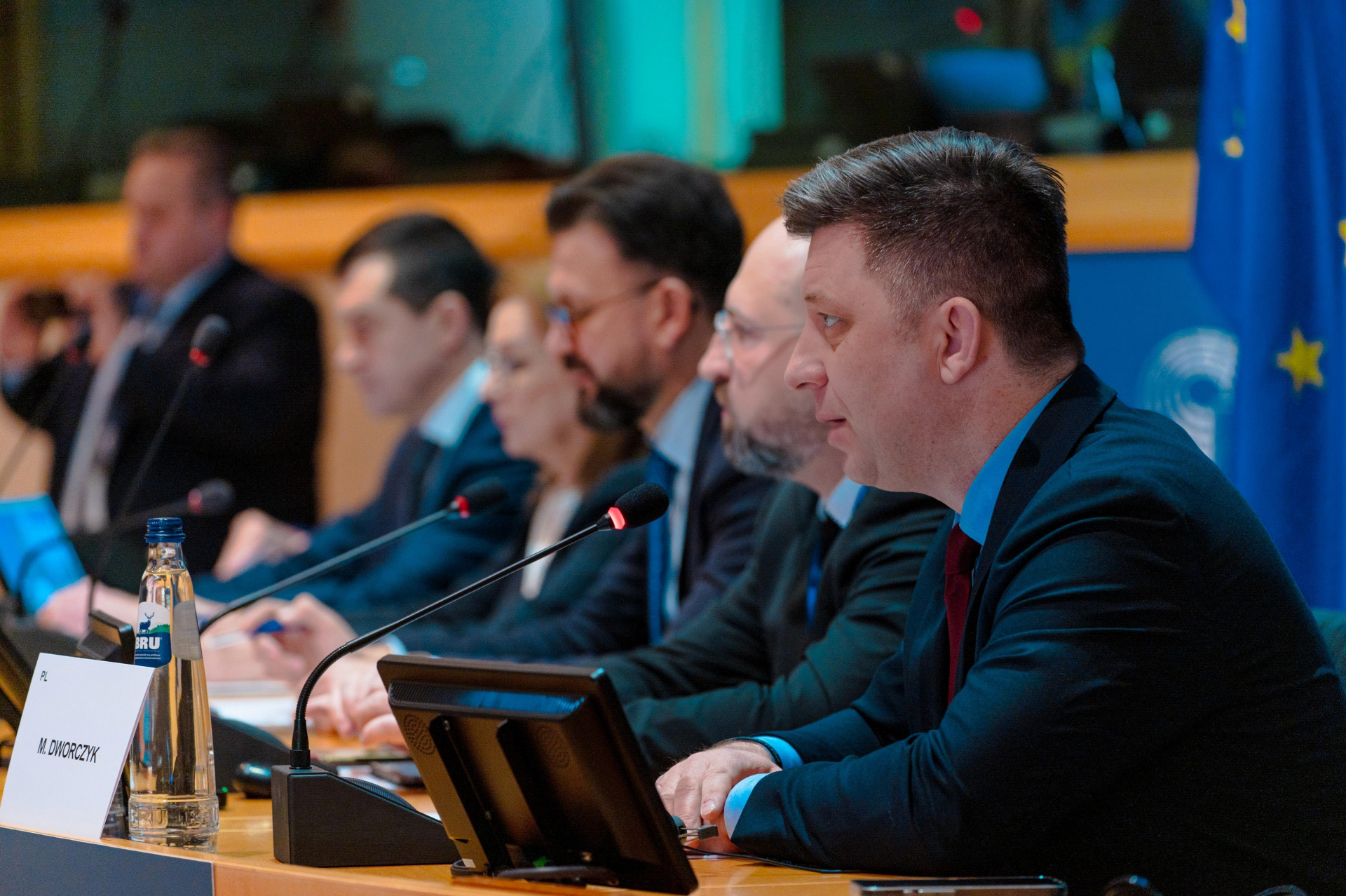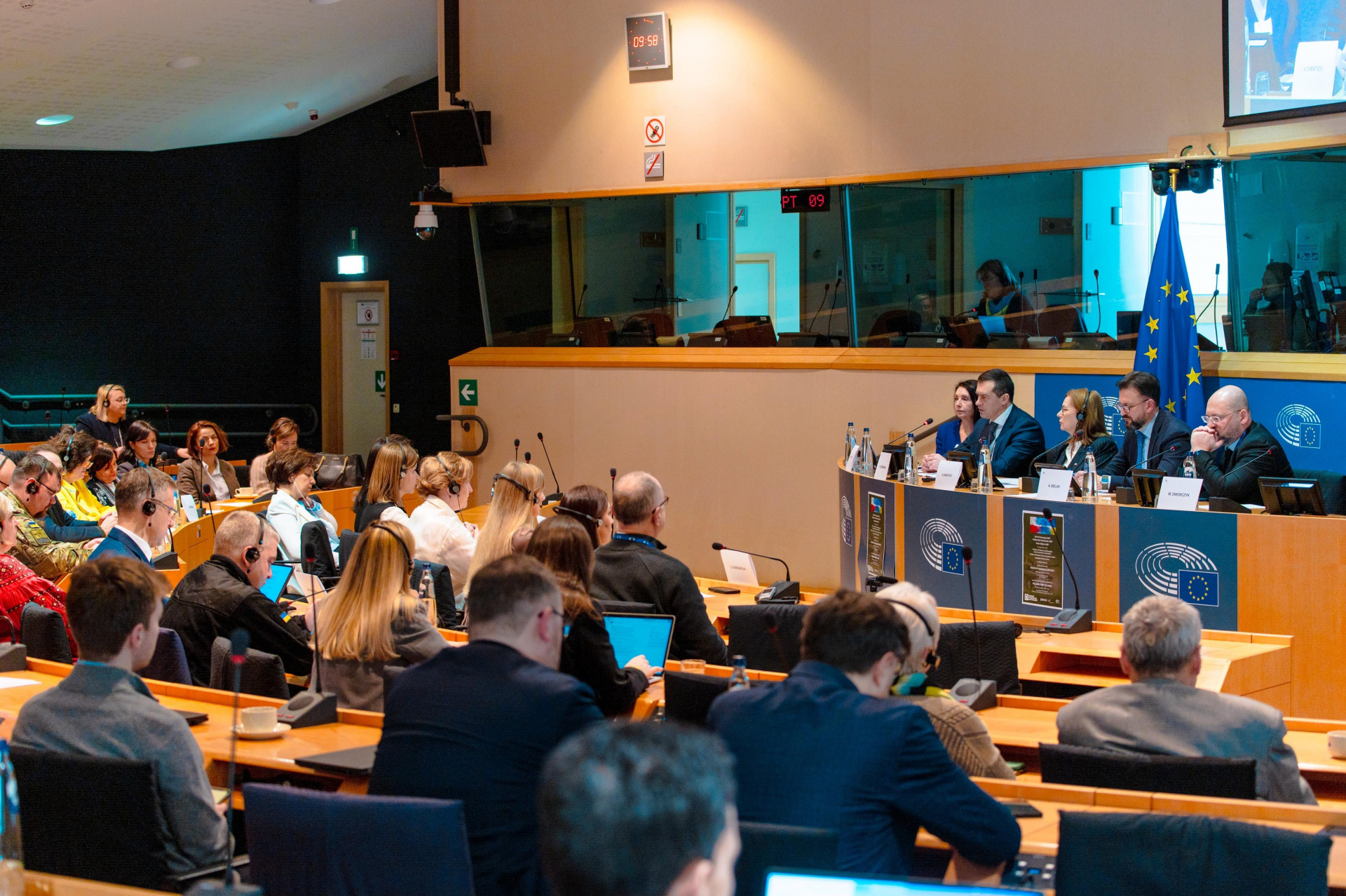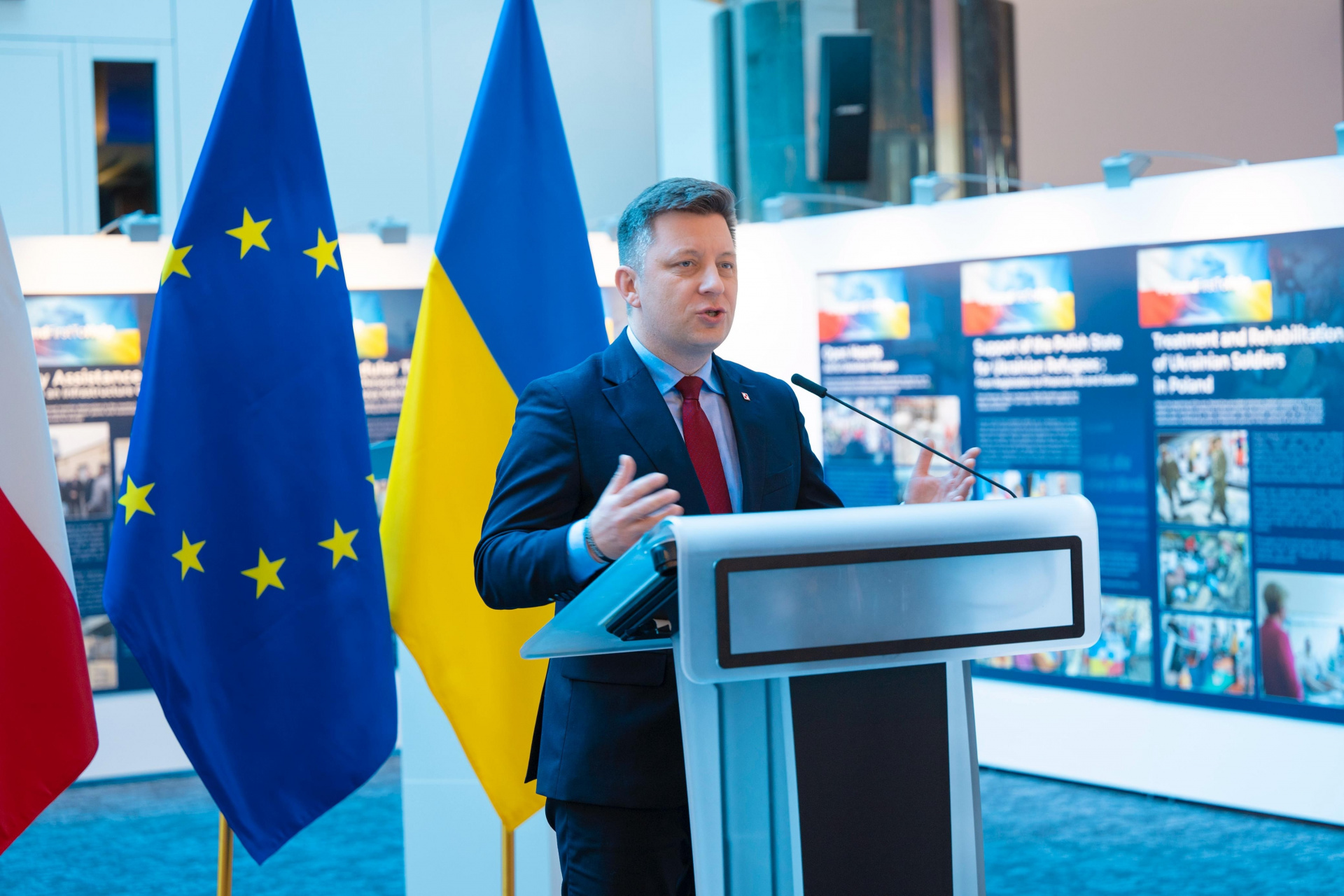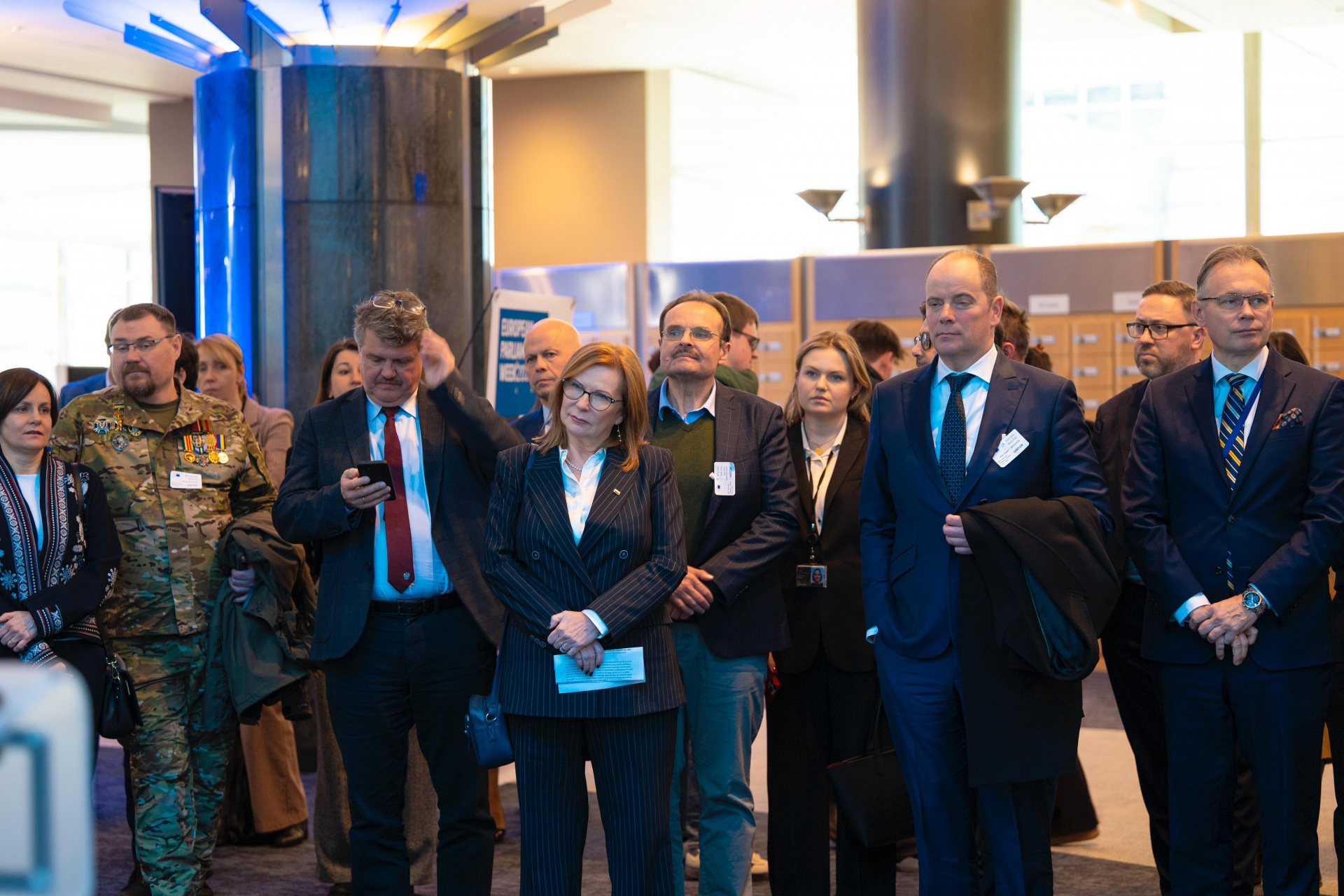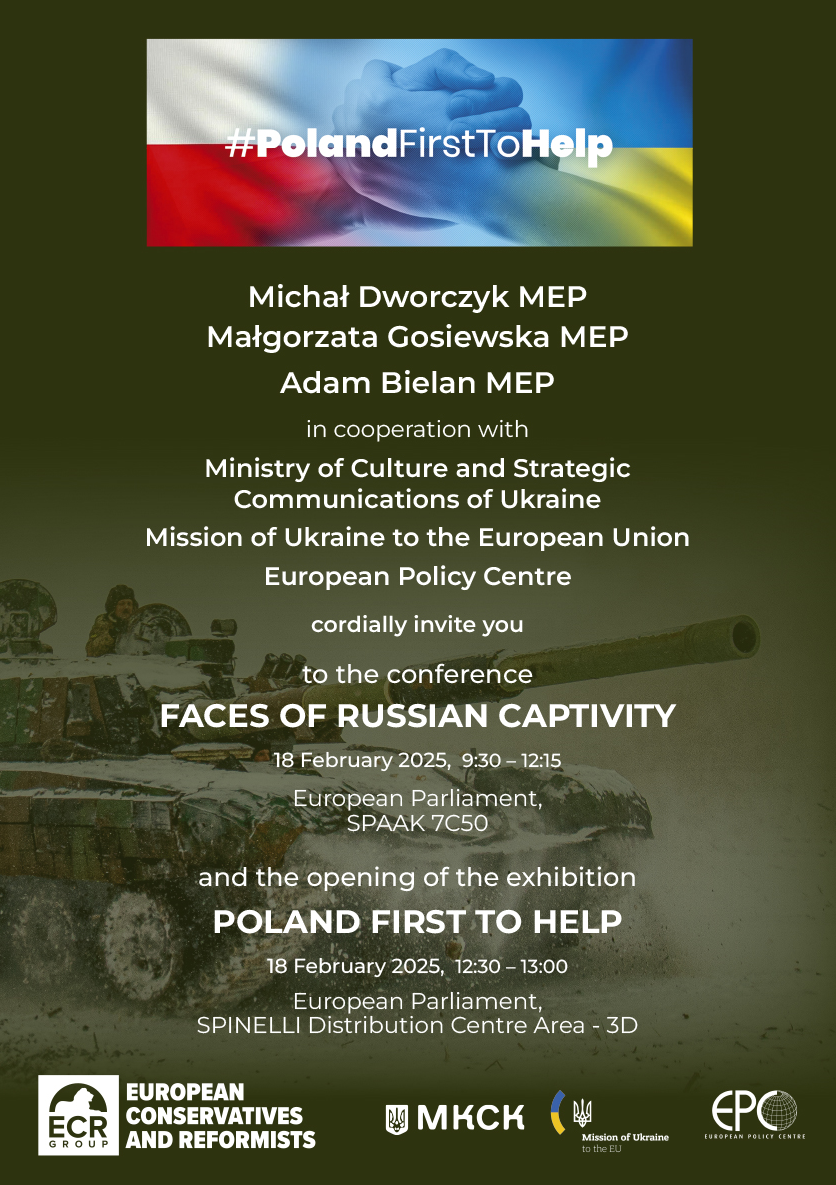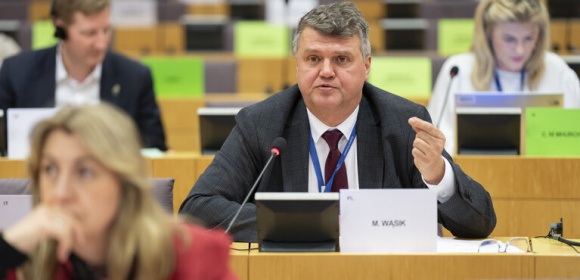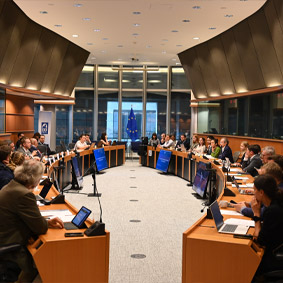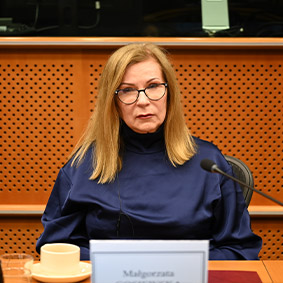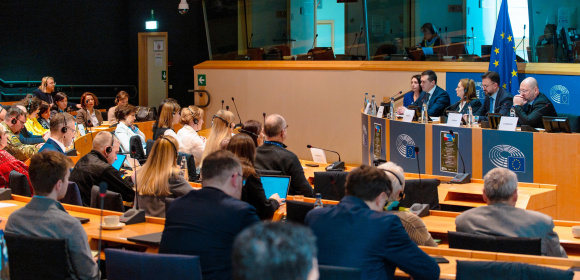
Today at the European Parliament in Brussels, on the eve of the third anniversary of Russia’s full-scale invasion of Ukraine, a conference titled “The Faces of Russian Captivity” took place. The event, organized by PiS MEPs Michał Dworczyk, Małgorzata Gosiewska, and Adam Bielan in cooperation with the Ministry of Culture and Strategic Communications of Ukraine, the Mission of Ukraine to the EU, and the Center for European Policy, was attended by, among others, Vsevolod Chentsov, Head of the Mission of Ukraine to the EU; Andrii Nadzhos, Deputy Minister of Culture and Strategic Communications of Ukraine; family members of prisoners of war; military personnel; human rights activists; representatives of foundations; and war correspondents. Discussions focused on the fate of prisoners of war and the possibilities of holding those responsible accountable for their criminal acts.
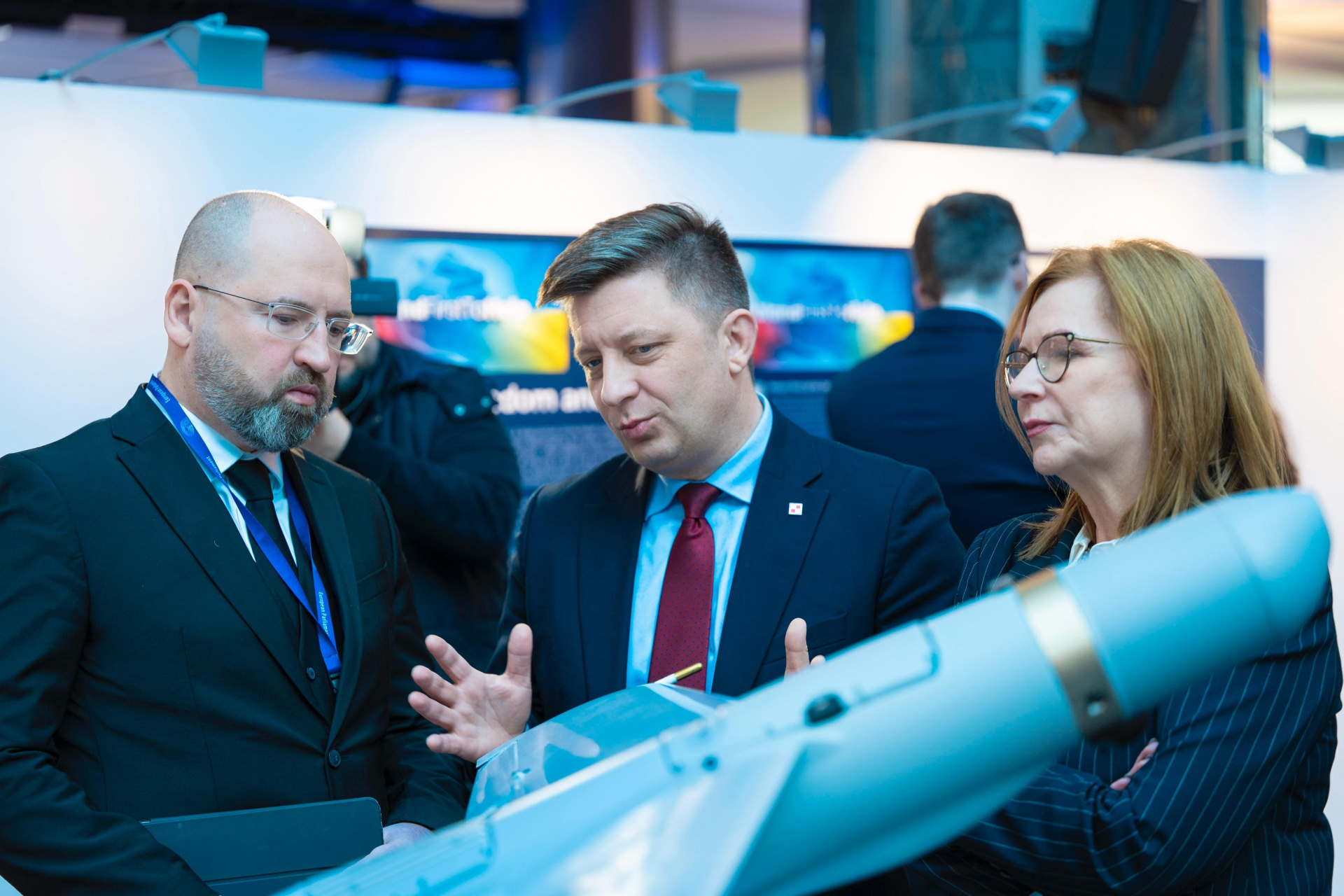
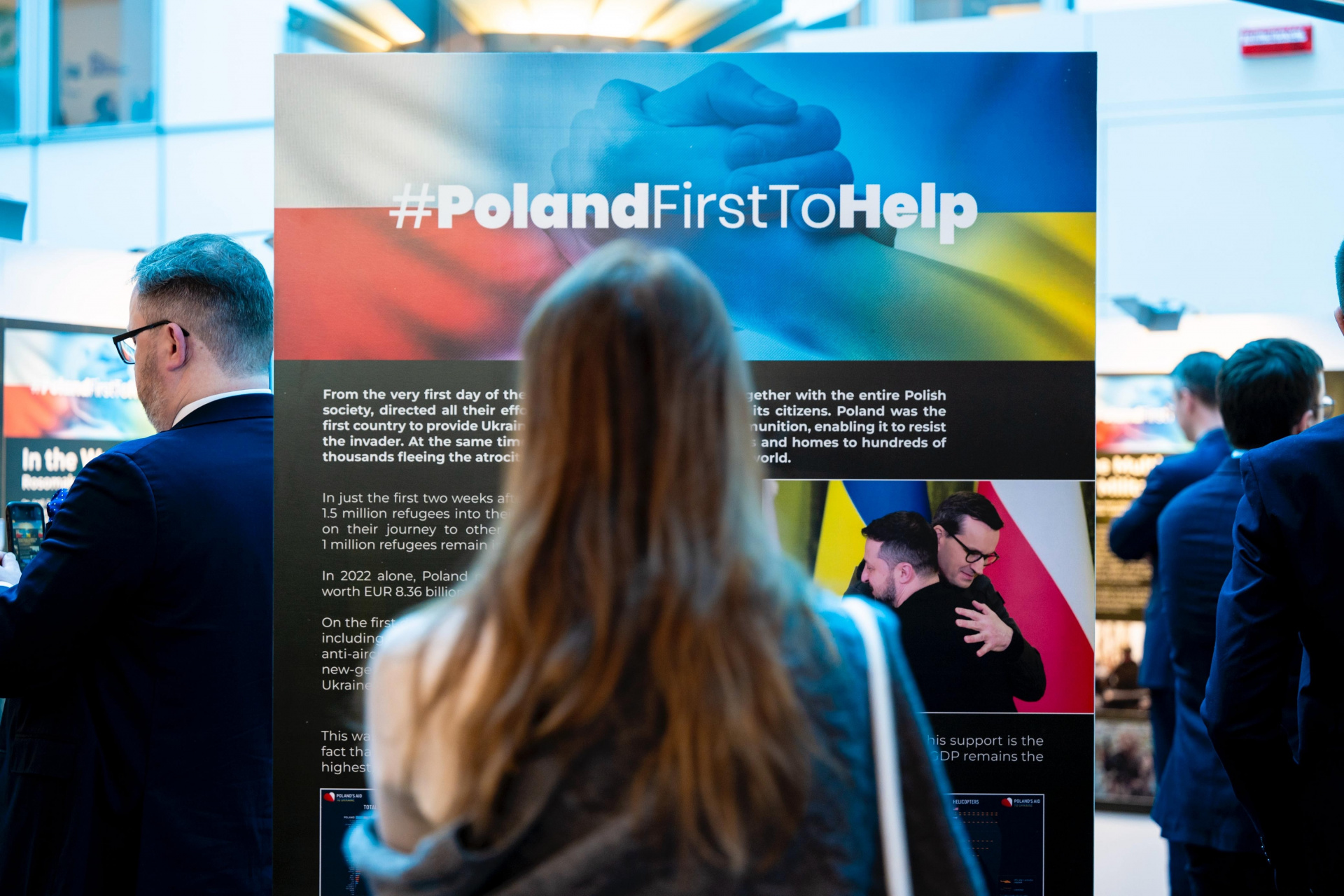
Following the conference, an exhibition titled “Poland First To Help” was opened and will be on display at the European Parliament through the end of this week, showcasing the extraordinary efforts of the Polish state and society in providing aid to Ukraine.
Michał Dworczyk said that Ukraine has been facing Russian barbarism for three years. “Soldiers and civilians are dying, and infrastructure and historical sites are being destroyed. The toll of these three years is tragic,” said the MEP, noting that the situation of those taken captive—both soldiers and civilians, as well as their families—is particularly dire. The Polish politician noted that in many cases, the Russians do not abide by any rules, do not respect the Geneva Conventions, or adhere to any civilized norms, as they torment, torture, and kill those taken captive. “By focusing on events at the front—those most frequently reported by the media—and on major political developments, we often overlook this dramatic dimension of the war,” said Dworczyk, noting that this is the reason today’s conference was organized. “We want to remind people of the fate of the victims of Russian aggression—the prisoners of war, soldiers, civilians, and their families. This must be spoken about loudly and widely. The whole world should know about this barbarism,” emphasized the PiS MEP. The Polish politician expressed hope that this conference, along with the materials produced afterward and distributed to every member of the European Parliament, will broaden awareness of Russian barbarism. “And perhaps even—though this is quite difficult when it comes to politicians—they will touch people’s hearts,” — Dworczyk added, stressing that this is particularly important “because awareness of what Russia is today and what Russians are doing today will make it easier for politicians to make decisions regarding support for Ukraine and Ukrainians.”
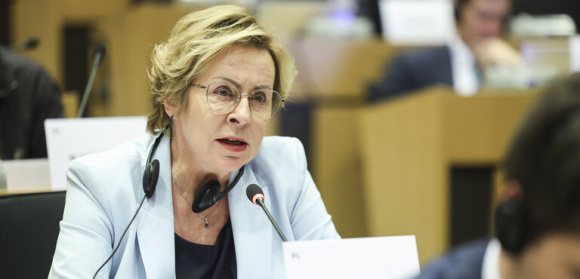
Małgorzata Gosiewska said that the conference aims to bring home the scale of the suffering taking place in Ukraine, “a European country neighboring the European Union.” “This is particularly important here, in the European Parliament building, because as an international community, we have a duty to respond to the aggressor’s actions—through restrictive measures against Russia, a complete severing of trade relations, and a reshaping of policy within the Union to return to the values upon which Europe was built,” she emphasized.
The PiS MEP pointed out that the main goal of the conference is to highlight the brutality of Putin’s war in Ukraine through the voices of those directly involved and eyewitnesses. The Polish politician cited another equally important goal: raising awareness that “this brutal attack did not begin three years ago, but has been ongoing since 2014—since the annexation of Crimea and the Donbas.” As she recalled, Georgia had also been attacked earlier, in 2008. “We know that this is a deliberate, planned, and very consistently implemented strategy. We also know that the ongoing war poses a real threat to Europe’s security,” Gosiewska said, emphasizing that “Russia’s neo-imperial policy could target other European countries, something Putin and his team have been stating explicitly for many years.” “The goal is to regain lost spheres of influence and achieve dominance in Eastern Europe,” she warned.
Gosiewska stated that the European Union had previously been unwilling to acknowledge this, however, because “interests took precedence over the security of European nations.” She recalled the words of the late President of Poland, Lech Kaczyński, who said in 2008 in Tbilisi, the capital of Georgia, which had been attacked by Russia: “And we, too, know very well that today it’s Georgia, tomorrow Ukraine, the day after tomorrow the Baltic States, and later it may be time for my country, for Poland!” and a year later, in 2009, at Westerplatte on the 70th anniversary of the outbreak of World War II, he said: “We must not yield to imperialism, nor even to neo-imperialist tendencies. It does not always (…), yield such rapid and tragic results. But over time, such results always come to pass. This is a great lesson for all of contemporary Europe, for the entire world.”
“We can now see for ourselves just how accurate and deeply thoughtful those words were,” said the MEP.
Gosiewska noted that Russian imperialism is very well known in Poland, but other nations have experienced it far more acutely, such as the Crimean Tatars, who were also subjected to planned and brutal acts of genocide. “That is why we must speak out loud and clear: Putin’s neo-imperial ambitions are unstoppable and will not end with Ukraine alone. For three years, Ukraine has been bravely defending itself against the Russian onslaught, effectively defending Europe,” she said.
The Polish politician also spoke about the heroism of the Ukrainians and the price they must pay every day to defend their families and their homeland. “What will be presented during today’s panels is, of course, only a small glimpse of what Russian soldiers are doing under the orders of the terrorist Putin. But I am certain that this glimpse of reality presented by the panelists will still be shocking and harrowing," she said, thanking them at the same time for making the effort to come to Brussels and for agreeing to share their painful experiences. She also appealed to the MEPs: “I wish all of you deep reflection, as well as the courage to take actions that will help bring an end to this genocide in Ukraine and ensure that all Russian perpetrators are brought to justice. Peace talks cannot be conducted without clearly defining who is the aggressor and who is the victim defending themselves, nor can they be conducted in isolation from the will of the people or by ignoring the crimes that have been committed.”
Adam Bielan said that “the European Parliament has been the driving force behind European support for Ukraine during these terrible times.” “Although more can and should be done, I believe this event is an opportunity to better understand the extent of Russian brutality in Ukraine and to recognize the extraordinary courage and resilience of the Ukrainian people—especially its soldiers,” the politician said. He recalled that from the very beginning of Russia’s illegal, full-scale, and brutal invasion, the world has watched in horror as new war crimes have come to light. Bielan referred to reports by international organizations that have shed light on the barbaric conditions under which Ukrainian soldiers are being held by Russian forces. He also highlighted the heartless methods employed by the Moscow regime, such as the forced deportation of Ukrainian children from their homeland to the Russian dictatorship. “As members of the European Parliament, we have a duty to reiterate that we stand with Ukraine, to continue our support, to keep our eyes and ears open, and to ensure that the silent West does not forget its Eastern European allies, who are on the front lines for our shared security,” he emphasized.
At the same time, he called on the European Parliament to remind the world that Russia’s tyrannical ambitions in Europe remain deeply rooted in its policy. “As the ECR coordinator on the European Parliament’s Committee on Foreign Affairs, I can assure you that we will continue to push for stronger diplomatic measures, greater humanitarian aid, and more effective mechanisms for monitoring and reporting war crimes,” – pledged the PiS MEP, adding that pressure must continue to ensure that those responsible for these atrocities are brought to justice and that Ukraine receives the support it needs. “Putin’s Russia will not stop, just as it did not stop despite suffering enormous losses in Ukraine. The stories we will hear today—testimonies from the families of prisoners of war and insights from experts—serve as yet another warning signal to our authorities and governments around the world," said the MEP, adding that these stories are a vivid example of the Ukrainian people’s resilience in the face of brutal aggression.
“Let us use this platform to strengthen our joint call for justice, to ensure that those responsible for war crimes are held accountable, and to reaffirm that Ukraine is not alone in its fight for sovereignty, peace, and the safe return of its defenders. To the families of prisoners of war—your pain is unimaginable, but your strength is extraordinary. Your loved ones have not been forgotten, and we stand with you in the fight for their return,” emphasized the head of the PiS delegation to the European Parliament.
After the conference, the MEPs opened the exhibition “Poland First To Help,” which highlights Poland’s support for Ukraine in its fight for independence. MEP Michał Dworczyk emphasized that Poland was the country that supported Ukraine from the very beginning. “In those first weeks and months, this aid wasn’t so obvious, and some countries were even opposed to imposing sanctions on Russia,” the politician noted. That is why he emphasized that one section of the exhibition, dedicated to the participation of Poles in the war, is very special: “Let us remember that Poles are fighting alongside Ukrainians in the war against Russia—both Ukrainian citizens who identify as Poles and Polish volunteers, Polish citizens who shed their blood in accordance with the slogan ‘for our freedom and yours’.” The exhibition also addressed issues of military and humanitarian aid, as well as the support provided to Ukrainians in Poland. Taken as a whole, it illustrates the true scale of Poland’s involvement, which is not sufficiently recognized in Europe.