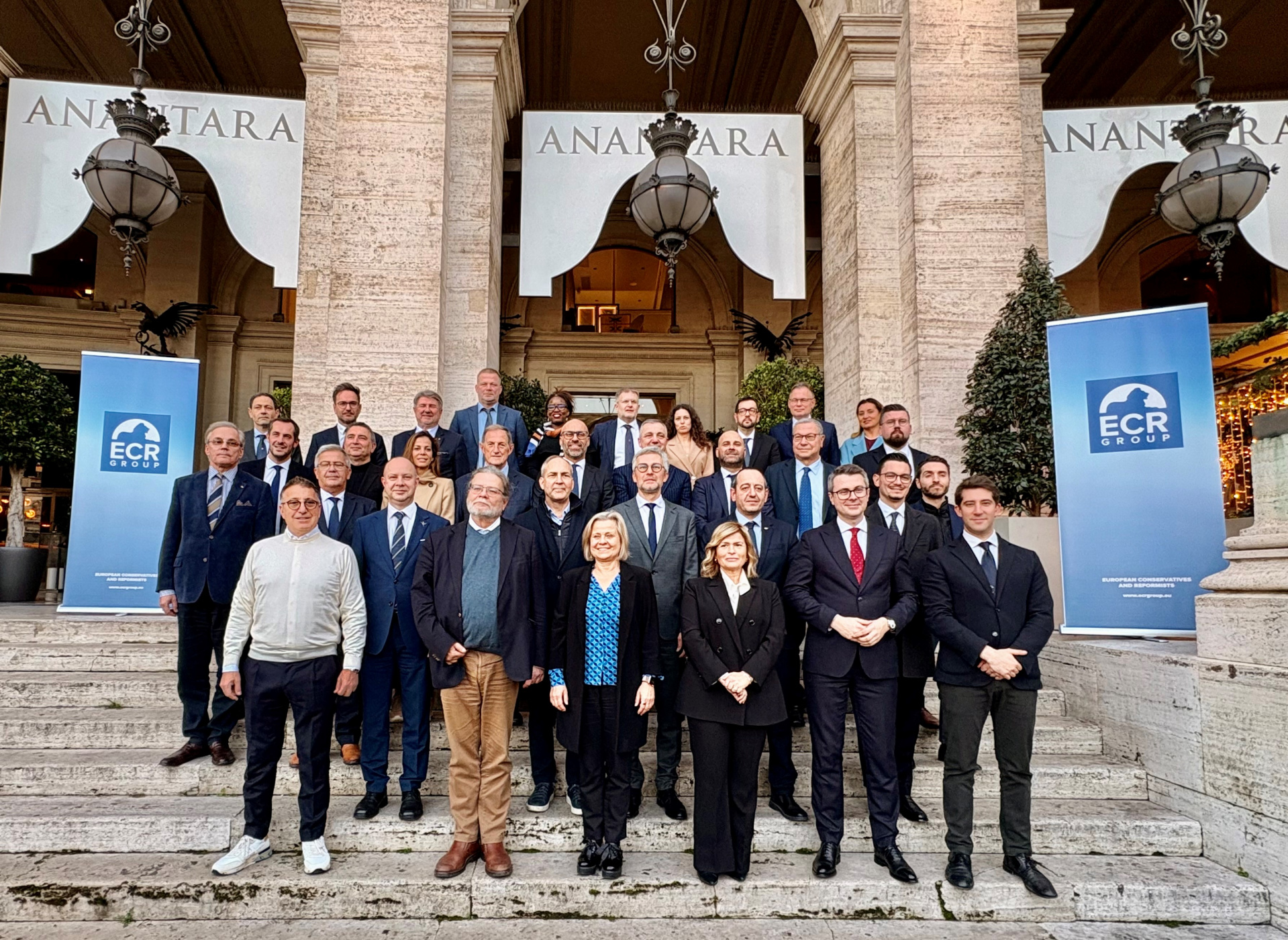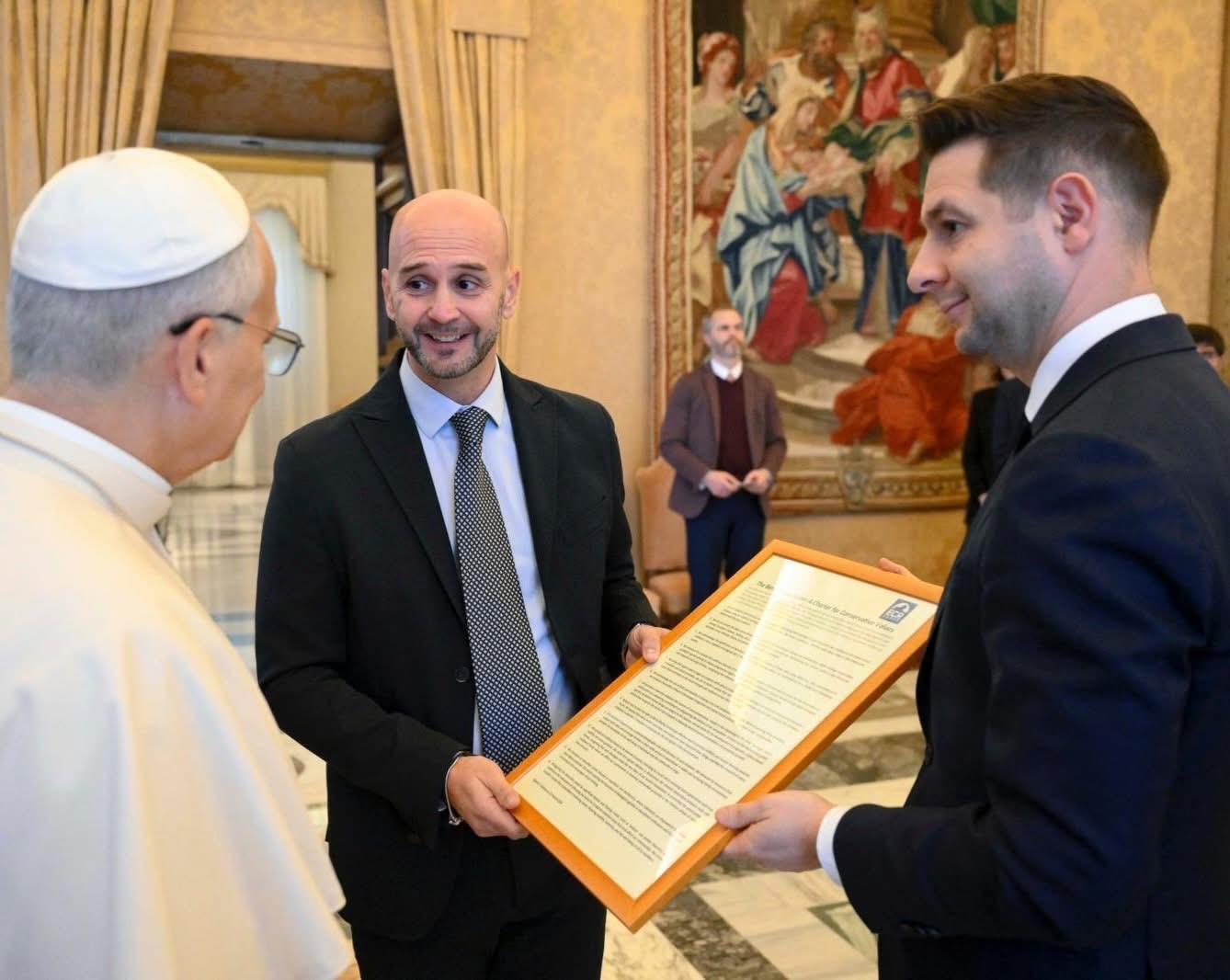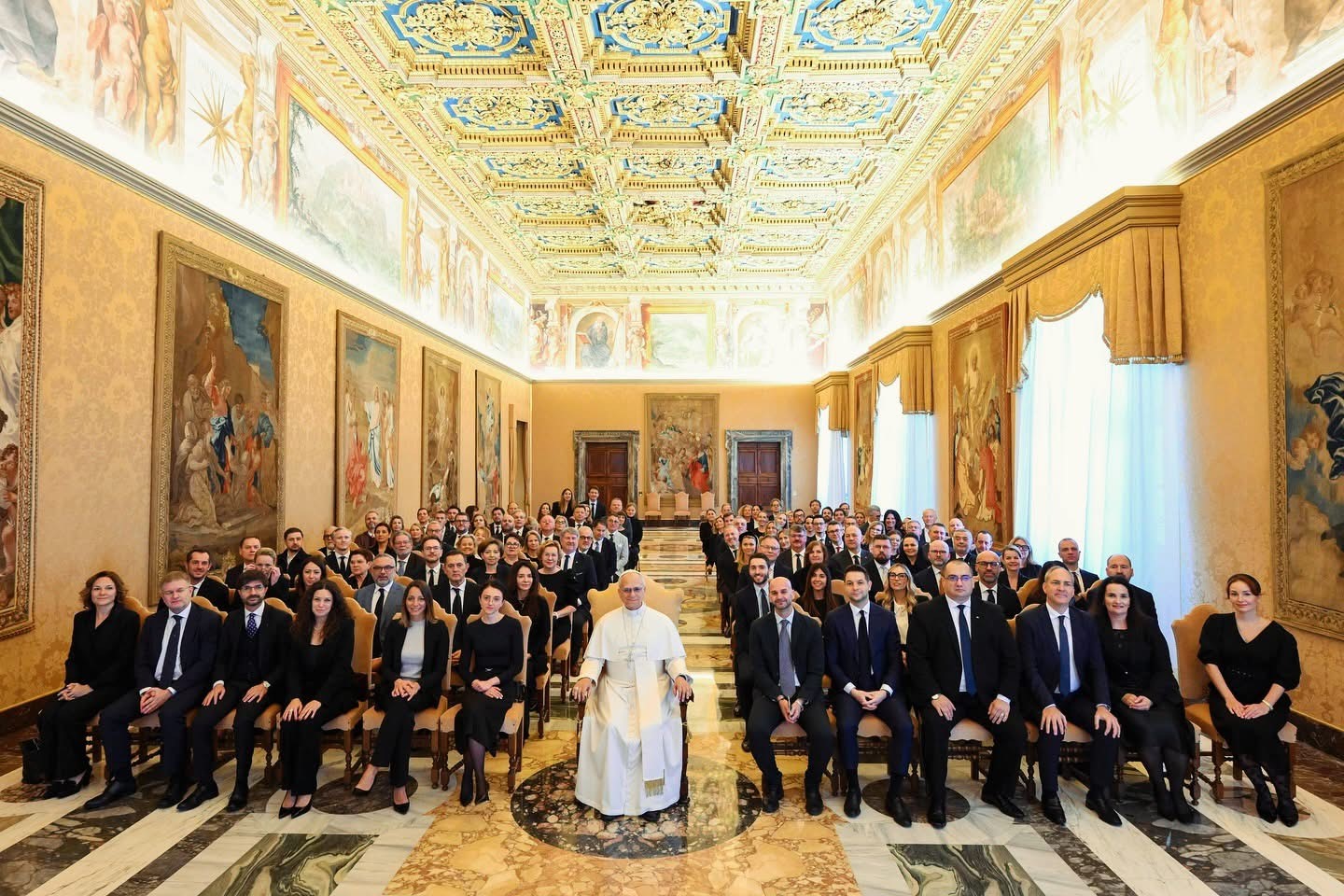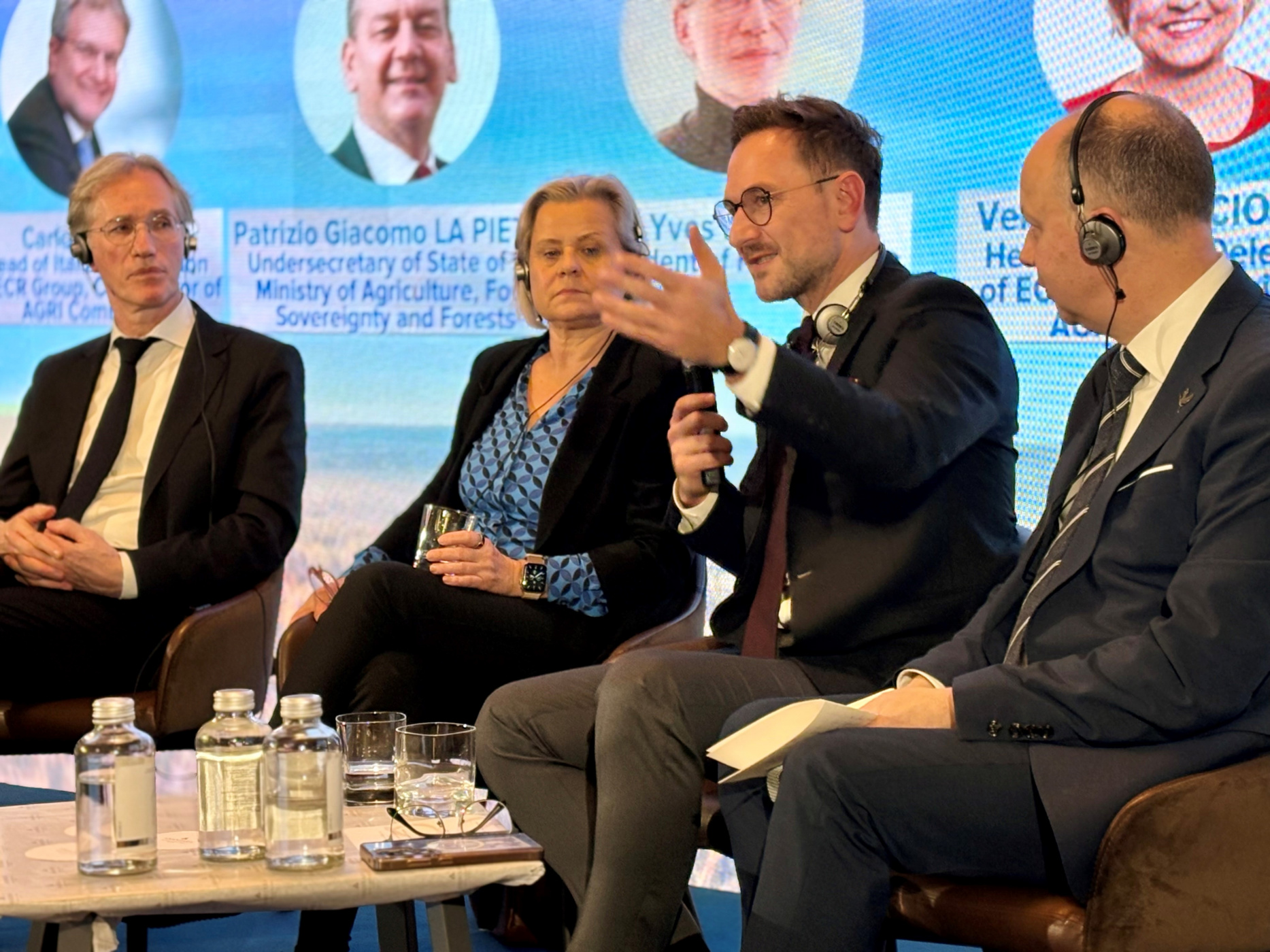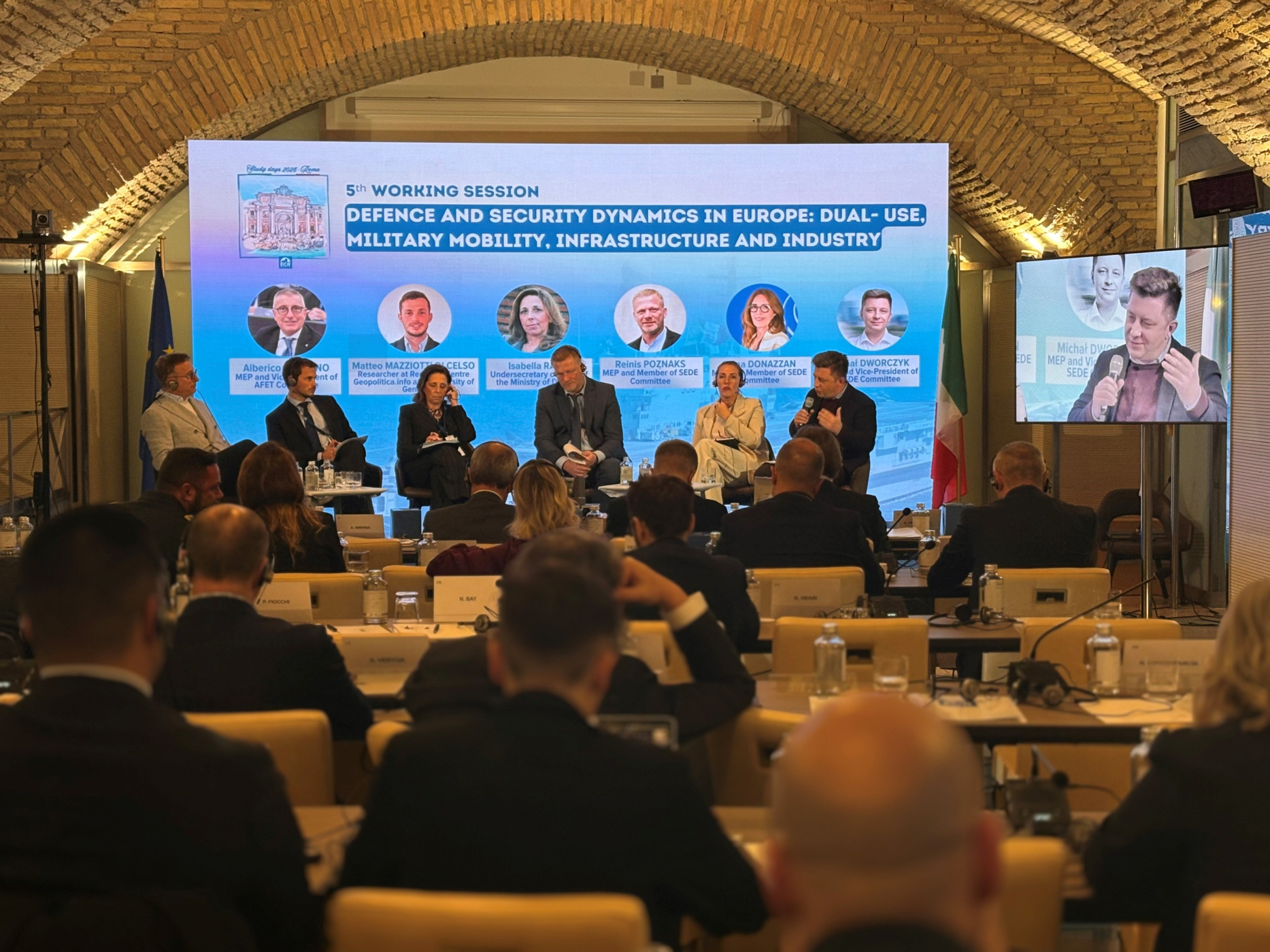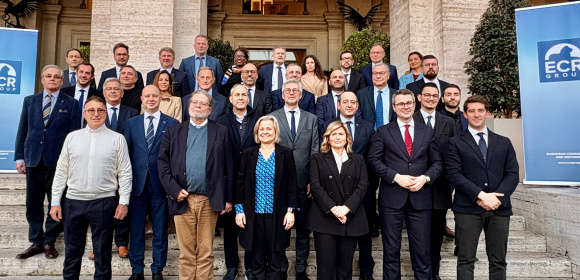
From December 9–12, the Group of European Conservatives and Reformists held an off-site meeting in Rome, during which members from across Europe discussed the most important challenges facing the European Union. The event combined a series of expert panels with official institutional visits to the Italian Parliament and the Vatican.
Participants emphasized the importance of Europe’s Christian roots, noting that they form the foundation of a shared identity and cultural grounding, without which it is difficult to shape a coherent vision for the future. It was pointed out that Europe needs to return to the original idea of the Community as an alliance of free nations cooperating in key areas, rather than a project of excessive centralization and a bureaucratic superstate.
The issue of migration, identified as one of the main threats to sovereignty, featured prominently in the discussions. It was emphasized that migration policy must be rational, based on common sense and facts. It must therefore take into account both the needs of nations and the social and cultural consequences, including threats to security and social cohesion. Attention was drawn to Italy’s measures to combat illegal migration, which could serve as a new model for the entire Union.
At the same time, the situation of European agriculture was discussed at length, with an emphasis on the role of farmers as guardians of tradition and food security. It was pointed out that excessive regulation, unrealistic climate policy, and unfavorable trade agreements weaken European agri-food production and undermine food sovereignty. Participants unanimously called for a level playing field, price stability, and sustainable market rules across all EU member states.
In discussions about the future of the European economy and industry, it was noted that restoring competitiveness is not possible without ensuring stable and affordable access to energy. It was emphasized that Europe needs technological neutrality and pragmatism, especially regarding nuclear energy, which can increase independence from external suppliers, lower energy costs, and strengthen industry. It was pointed out that the ideologization of energy policy leads to job losses and weakens Europe’s industrial base, while the continent needs realistic solutions to restore its economic standing.
A significant portion of the discussions was also devoted to security and defense. In light of growing external threats, the need to strengthen military mobility, resilient infrastructure, and the defense industry was emphasized, as well as the promotion of dual-use technologies that support both the civilian and military sectors. Participants stressed that the EU should focus on tangibly strengthening the security of the most vulnerable regions, complementing NATO’s role rather than duplicating it. It was repeatedly stated in Rome that Europe’s security must be built on the strength of nation-states, genuine allied cooperation, and sound realism, rather than through the centralization of power in Brussels.
Raffaele Fitto, Executive Vice-President of the European Commission for Cohesion and Reforms, also spoke during the meeting, emphasizing that simplified procedures and flexibility are the foundation of an effective cohesion policy. He noted that these values are at the heart of the current Commission’s priorities and must be consistently upheld so that cohesion policy can continue to play its key role in regional development.
The visit’s program also included official meetings at the Chamber of Deputies and the Senate of the Italian Republic, as well as an audience with the Holy Father at the Vatican, which further underscored the symbolic dimension of the proceedings and their connection to Europe’s spiritual and cultural foundations.