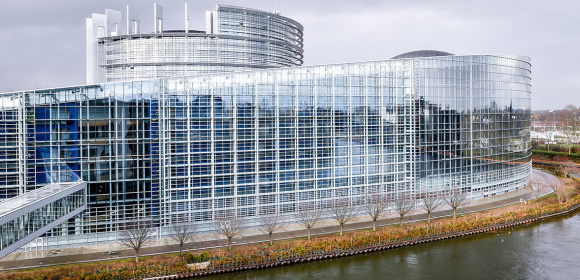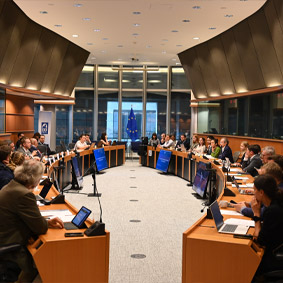
A debate and vote on the draft general budget of the European Union for 2026 took place at the European Parliament in Strasbourg. The PiS delegation in the European Parliament decided to vote against the Parliament’s position on next year’s budget due to the climate agenda it contains, which contributes to rising energy prices and declining competitiveness; costly new own resources that burden national budgets; the principle of conditionality, which is a tool for targeting uncooperative governments, and provisions regarding gender policy.
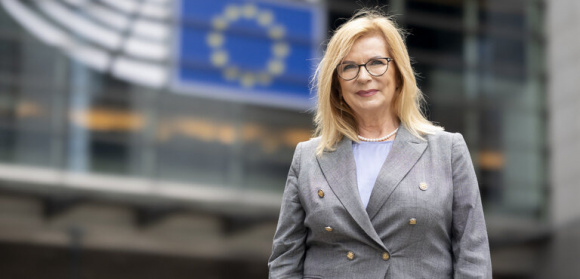
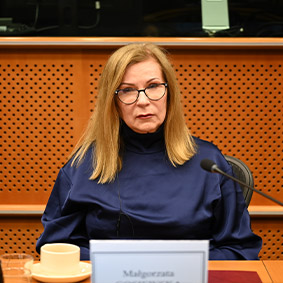
PiS MEPs Bogdan Rzońca and Beata Szydło spoke during the debate.
Bogdan Rzońca criticized the 2026 budget for including numerous ideological demands that do not serve the citizens of the European Union. In his view, the proposed budget for next year overlooks many risks. He pointed out that the document fails to address the key needs of EU citizens—such as security, competitiveness, and economic stability—and instead focuses on ideological projects. “This proposal contains provisions that simply undermine the European Union’s competitiveness by focusing on climate goals that damage the economy, weaken competitiveness, and hinder investment,” he pointed out.
The Polish politician also drew attention to provisions promoting “false values” that run counter to Europe’s real problems. “The false promotion of sexual and reproductive health goes against human nature and runs counter to Europe’s demographic decline. We have a problem with this, and we must state it clearly,” he emphasized.
In his view, with a budget structured this way, the EU will not develop. “We should be more competitive, compete in technology, rather than take a step backward,” Rzońca pointed out.
“We are in a time of war, and today, for Europeans, for Europe, and for all of us, security is the most important thing. This budget does not take this sufficiently into account,” said Beata Szydło, referring to the threats currently facing Europe. She noted that competitiveness and the economy are discussed in nearly every debate. As she emphasized, Europeans expect EU institutions to provide support in the areas of border protection, economic stability, and the ability to build a peaceful future. “People want to feel safe, to have the sense that Europe is a place where they can build their future in peace and security,” added the former Polish prime minister.
Criticizing the ideological approach embedded in the budget, Szydło pointed to the need to focus on the real problems facing citizens. “We can discuss various ideas and projects here—mostly ideological ones—but they should not be the focus of the conversation about what Europe’s future will look like,” she added. “Europe’s future will depend on whether we recognize the real threats at this moment and take appropriate measures to counter them, including by properly allocating financial resources,” the Polish politician concluded.