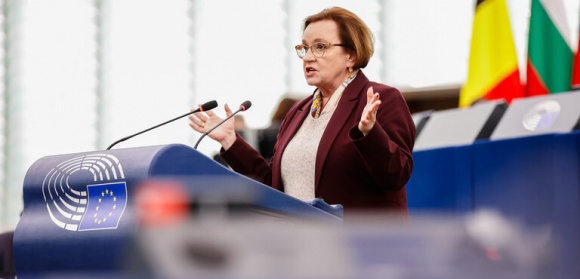
Today in Strasbourg, during the European Parliament’s plenary session, a vote was held on the final trilogue agreement regarding the Waste Directive on food and textile waste. The report, authored by PiS MEP Anna Zalewska, was adopted by a significant majority.
The EP rapporteur emphasized that she had two main goals in mind during the negotiations on the Waste Directive - ensuring a real reduction in waste through legislative changes while simultaneously ensuring a realistic and proportionate approach to the need to reduce food and textile waste.
“I am pleased with the approach developed regarding the obligation for member states to reduce food waste,” said Zalewska, noting that the targets set are modest and acceptable to member states. “They are not based on penalties, but on supporting Member States in taking measures to reduce food discard and waste,” she noted.
As she emphasized, during the negotiations, it was ensured that agriculture and farmers would not be subject to the directive’s targets—that is, the obligations to reduce food waste. “We have also strengthened farmers’ position against unfair practices by supermarket operators, such as last-minute cancellations of orders for fresh produce or discrimination against so-called ‘ugly’ fruits and vegetables,” she said.
The PiS MEP also pointed out that the negotiated directive succeeded in significantly reducing excessive bureaucracy, among other things by excluding micro-enterprises from the directive’s scope and introducing simplified reporting for certain entities.
Furthermore, she added, the implementation deadlines for administrative bodies have been significantly extended. “Thanks to this, we can be certain that the planned changes will be effective, achievable, and will ensure a genuine reduction in waste—that is, the achievement of the goal that unites us all in this chamber,” she emphasized.
“Thank you for such fruitful cooperation and broad—cross-party—political support. I believe that the agreement on the Waste Directive is a great example of how to wisely combine concern for the natural environment with simplified legislation that reduces bureaucracy,” said the report’s author.