The European Parliament today adopted the “Omnibus I” simplification package, which—as Tobiasz Bocheński emphasizes—could mark a turning point in EU economic policy. After years in which deregulation was more of a slogan than a concrete action, the new majority in Parliament has come out in favor of solutions that reduce unnecessary burdens and strengthen the competitiveness of the European economy.
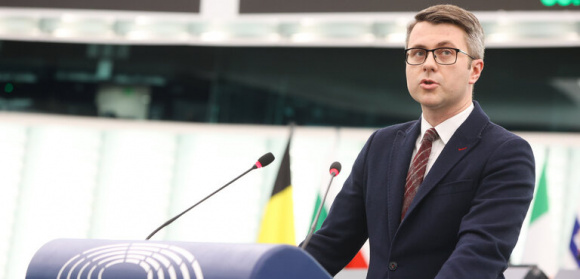
Tobiasz Bocheński, a Member of the European Parliament and coordinator of the ECR Group in the Committee on Legal Affairs (JURI), welcomed the vote, calling it a “long-awaited step toward rebuilding Europe’s economic strength.”
“Today’s vote shows that Parliament is finally ready to listen to the voice of European entrepreneurs,” said Bocheński. “For years, we have warned that excessive reporting requirements, disproportionate liability rules, and rigid regulations are undermining Europe’s competitiveness. The adoption of the simplification package is proof that a new economic realism is emerging in this House,” added the PiS politician.
The MEP recalled that the ECR Group has long called for genuine deregulation—more transparent regulations, higher reporting thresholds, greater flexibility for member states, and the elimination of obligations that, in practice, created additional burdens, such as mandatory climate transition plans.
“For Europe to remain an industrial and technological powerhouse, economic policy must be based on trust in entrepreneurs and support for innovation, not on multiplying restrictions,” Bocheński emphasized. “Today’s vote is a step in the right direction. We are pleased that an increasingly broad parliamentary majority is choosing simplification over bureaucracy,” said the JURI coordinator.
The ECR Group emphasized that today’s result was made possible by growing cross-party consensus on the need to reverse the trend of declining European competitiveness. The politicians expressed hope that the “Omnibus I” package would mark the beginning of a broader shift toward pragmatic lawmaking and economic realism.
“This vote shows that a new majority is possible in Europe—one that prioritizes competitiveness, legal clarity, and room for innovation. The ECR will continue to lead this change,” concluded Tobiasz Bocheński.