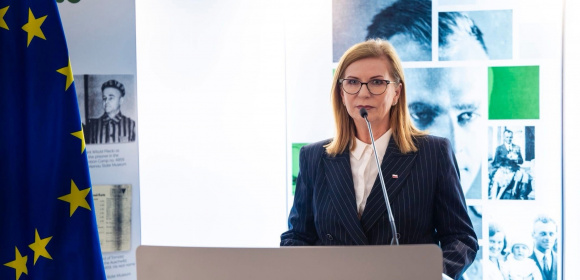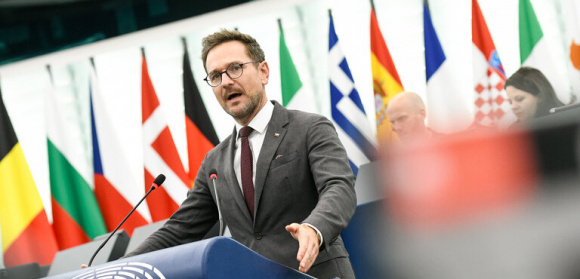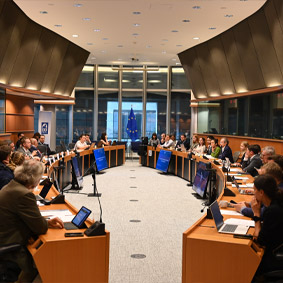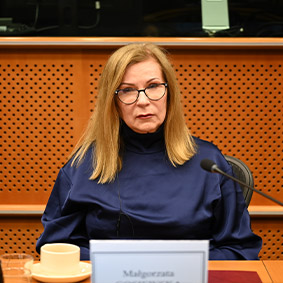
Today in Brussels, during a meeting of the Committee on Industry, Research, and Energy (ITRE), Members of the European Parliament adopted a draft report by PiS MEP Beata Szydło on the security of energy supply in the EU. The document focuses on enhancing energy security and the resilience of the energy system in EU member states, balancing the political and economic realities facing the EU with its ambitious goals for energy transition.
Energy security is a fundamental element of a resilient and sustainable economy, ensuring reliable and affordable energy supplies that are crucial for economic growth and social well-being. Despite the potential for developing domestic, clean, and renewable energy sources, the EU imports more than 60 percent of its energy, including 90 percent of its natural gas and 97 percent of its crude oil, making it vulnerable to supply disruptions and external pressures.
Since the adoption of the EU’s latest Energy Security Strategy in 2014, there has been a significant increase in domestic renewable energy, with wind energy growing by 98 percent, PV solar power by 314 percent, and other renewable sources have also seen significant growth. However, domestic production of fossil fuels in the EU has declined, as has production of coal, crude oil, and natural gas.
“Ensuring energy security remains a critical challenge for the European Union, particularly in light of Russia’s long-term use of energy as a weapon, its war of aggression against Ukraine, the resulting geopolitical shifts, and the urgent need to diversify our energy sources while investing in local production,” emphasized the EP rapporteur.
The report’s three key objectives focus on strengthening the EU’s energy security by: investing in domestic energy sources and partnerships with reliable energy suppliers; developing infrastructure to ensure a resilient and integrated energy market; phasing out Russian energy imports of natural gas and crude oil by 2027 at the latest; as well as diversifying energy sources and strengthening the protection of critical energy infrastructure against cyber, hybrid, and military threats, as well as the effects of climate change.
The report includes provisions regarding national sovereignty in choosing an energy mix, emphasizing the role of natural gas and nuclear energy in the transition—including the need to establish a comprehensive gas management strategy during the transition period, the development of new nuclear technologies (SMR and AMR), and providing support for the energy industry, as well as the need to modernize and expand energy infrastructure. The document also reaffirms the position in support of a full embargo on Russian gas, LNG, and nuclear fuel, as well as the decommissioning of the Nord Stream pipelines and the need to avoid dependence on other third countries by supporting local production. The provisions also include a provision to introduce a price cap on Russian LNG through 2027, but only after a prior assessment of the impact on the market and prices.
At the same time, the report emphasizes the need for an energy transition, while respecting the structural and economic differences among member states.
“In this report, we sought to strike a balance between the political and economic realities we face and the EU’s ambitious goals for the energy transition. We upheld Member States’ sovereignty over their energy mix and emphasized the principle of technology neutrality—including the role of nuclear energy and the transitional use of natural gas — while strengthening references to renewable energy sources and energy efficiency. We managed to reconcile different positions and propose a compromise that was supported by a majority of the groups,” added Beata Szydło.
The report was adopted by a majority of 56 votes in favor, 15 against, and 1 abstention. It will be put to a vote during the plenary session in Strasbourg on July 7–10.