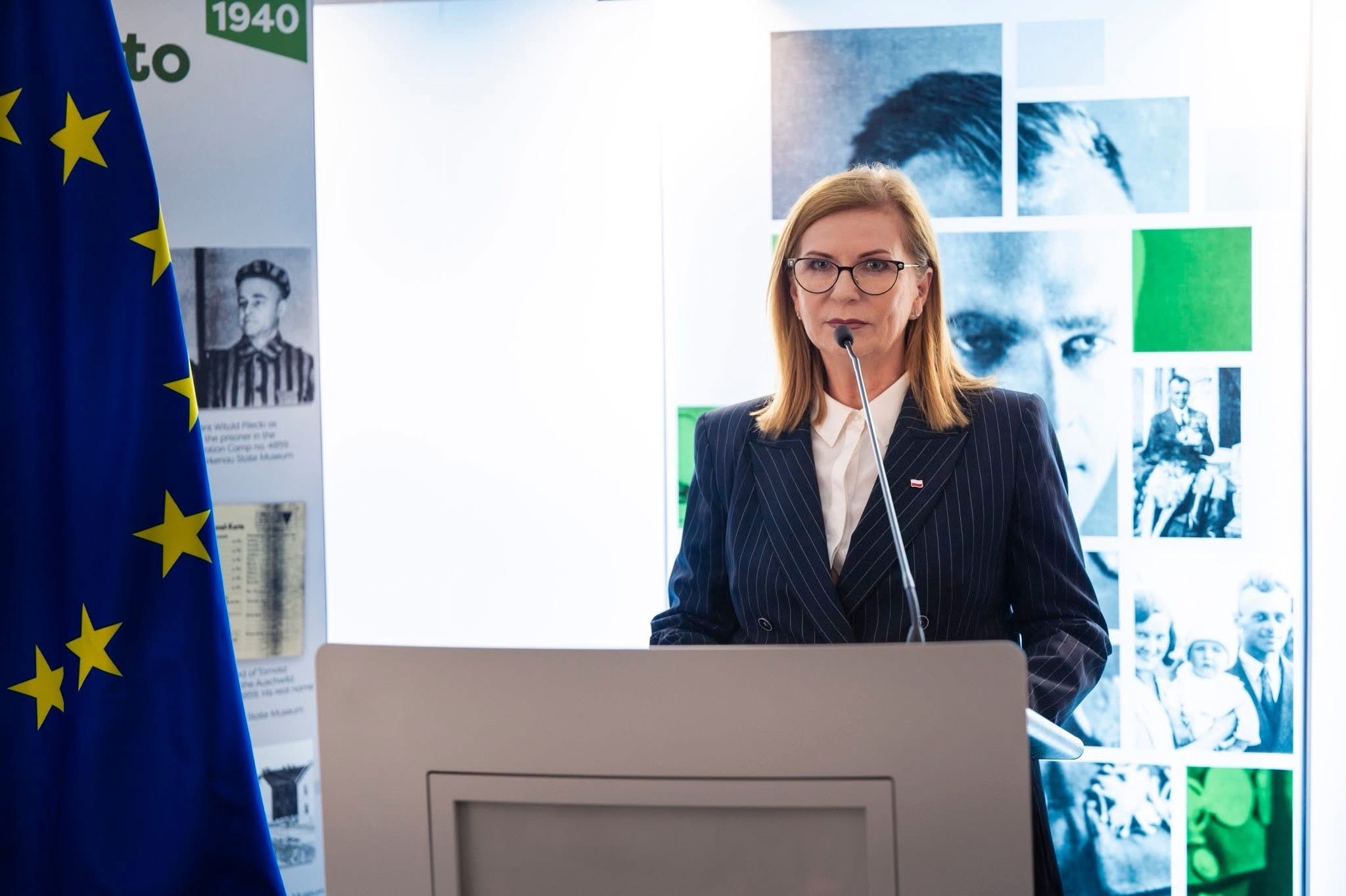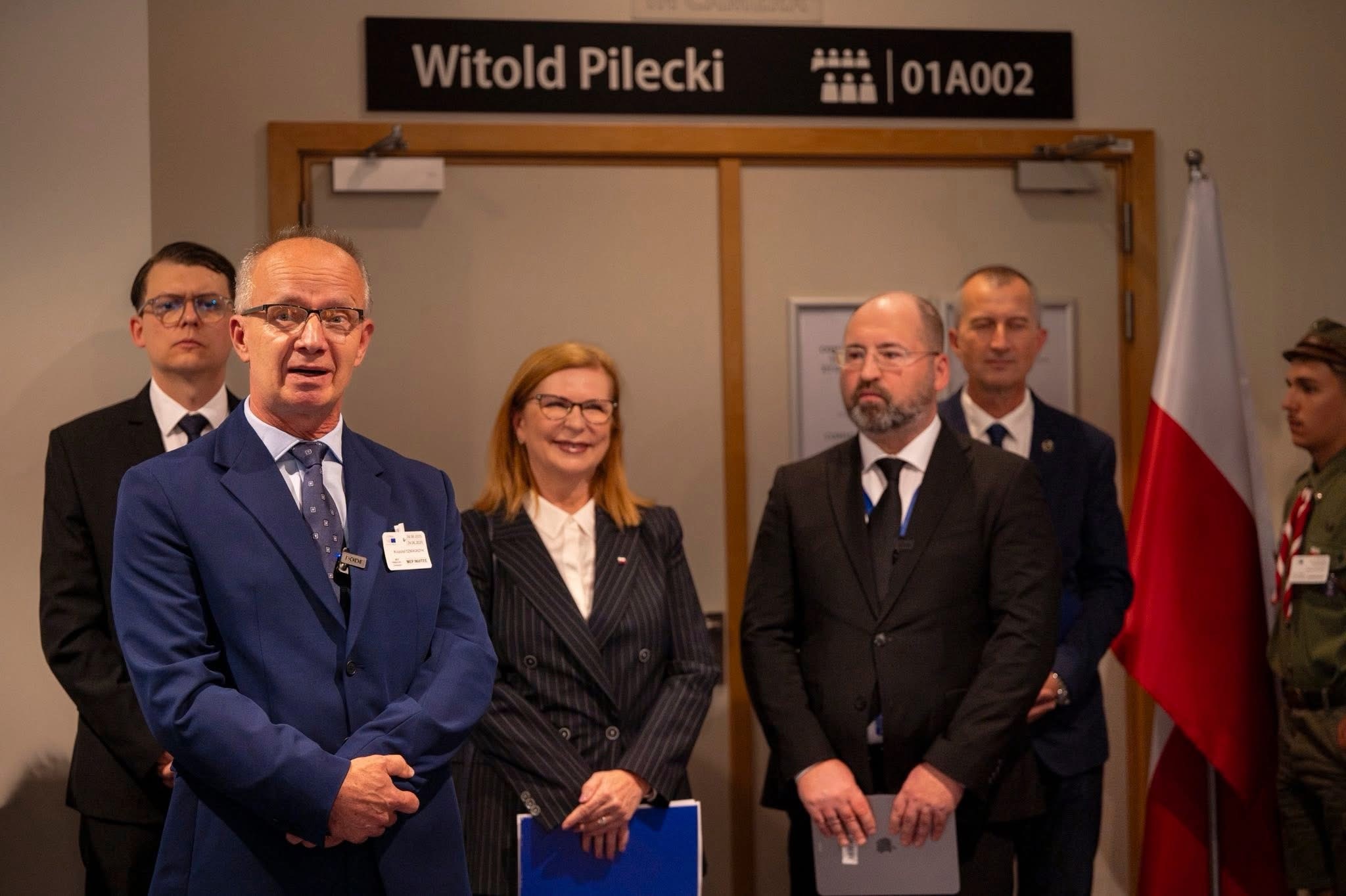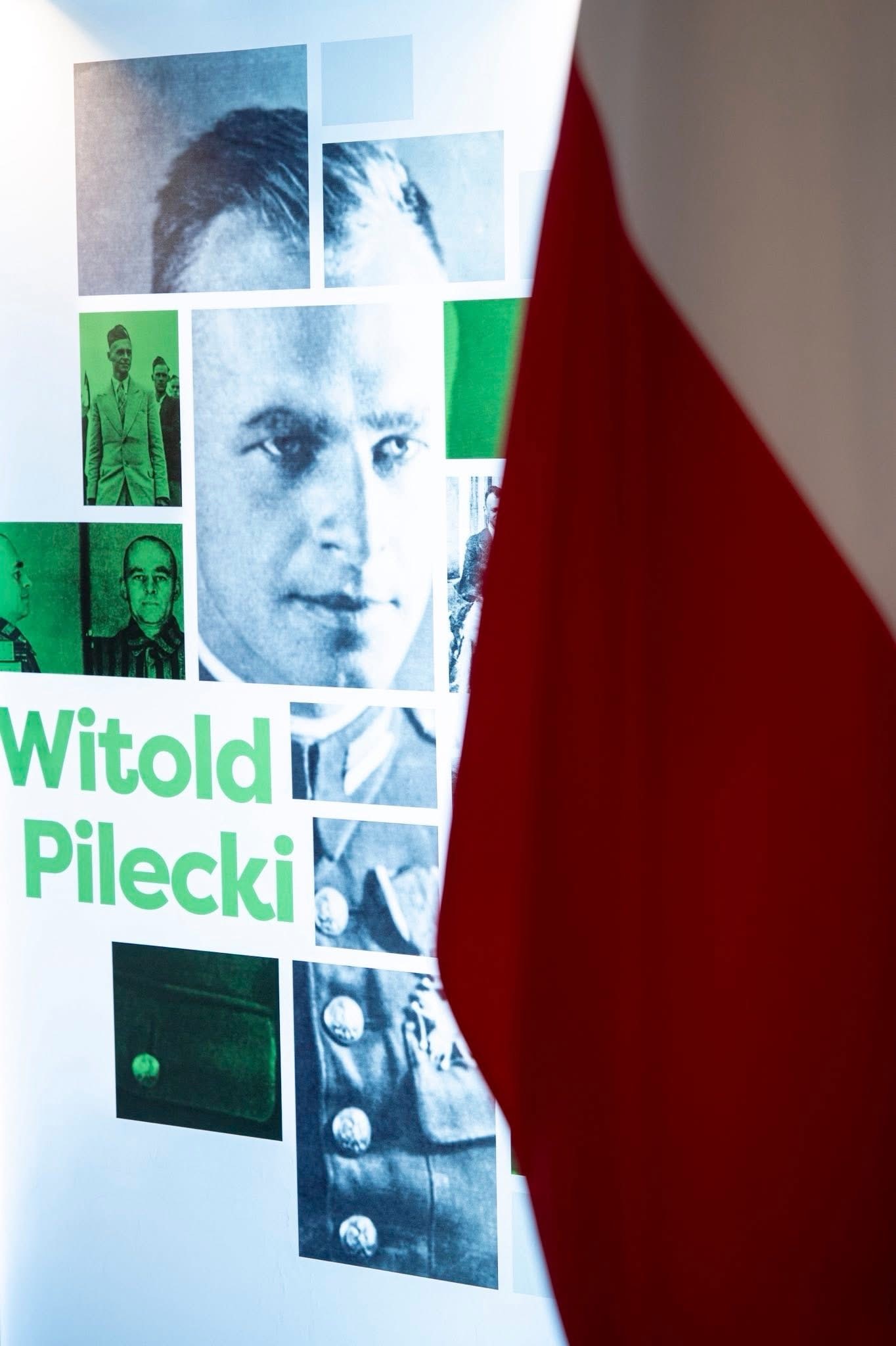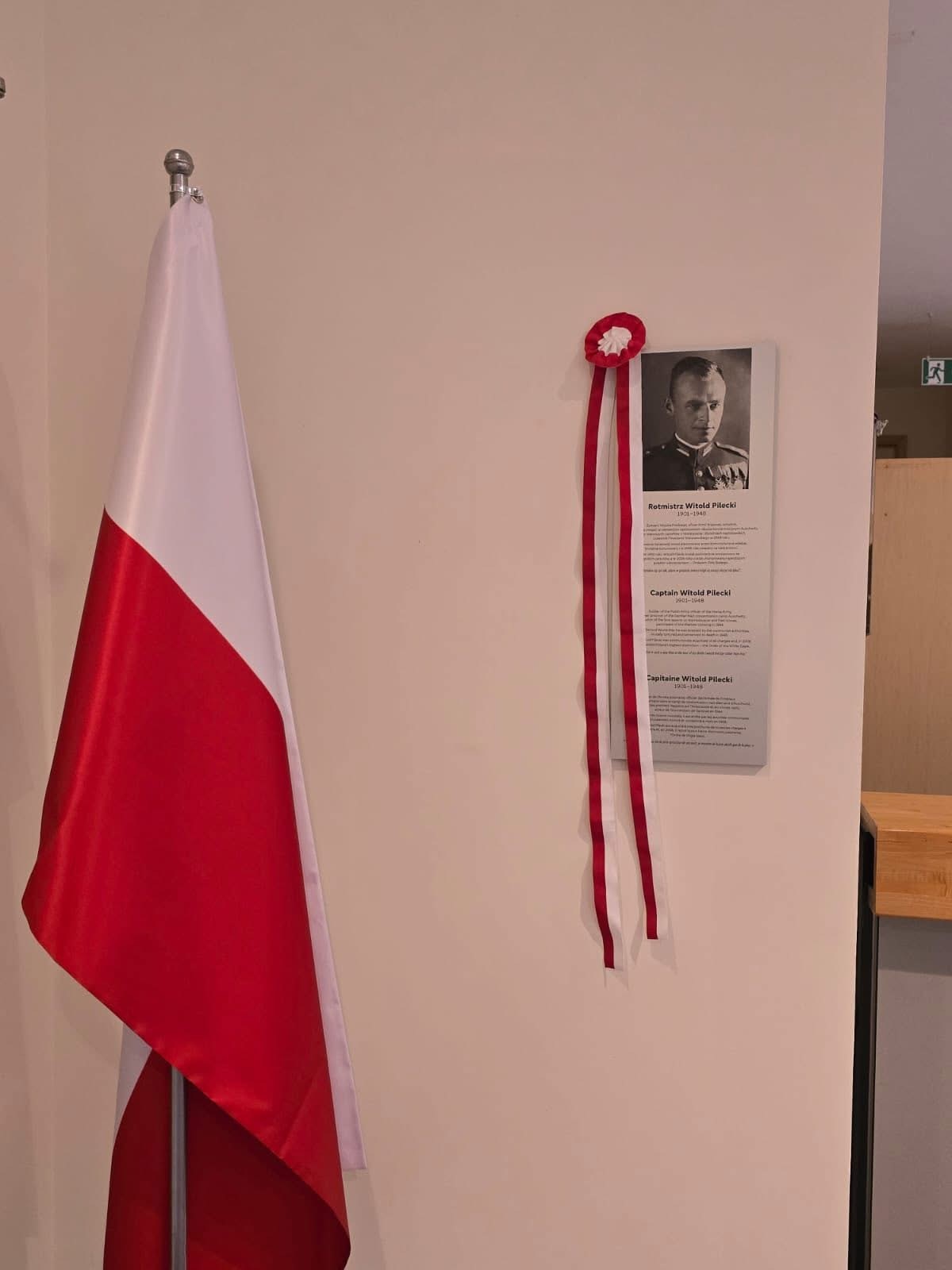
A ceremony was held in Brussels to unveil a plaque commemorating Captain Witold Pilecki, along with the opening of an exhibition organized by the Institute of National Remembrance.
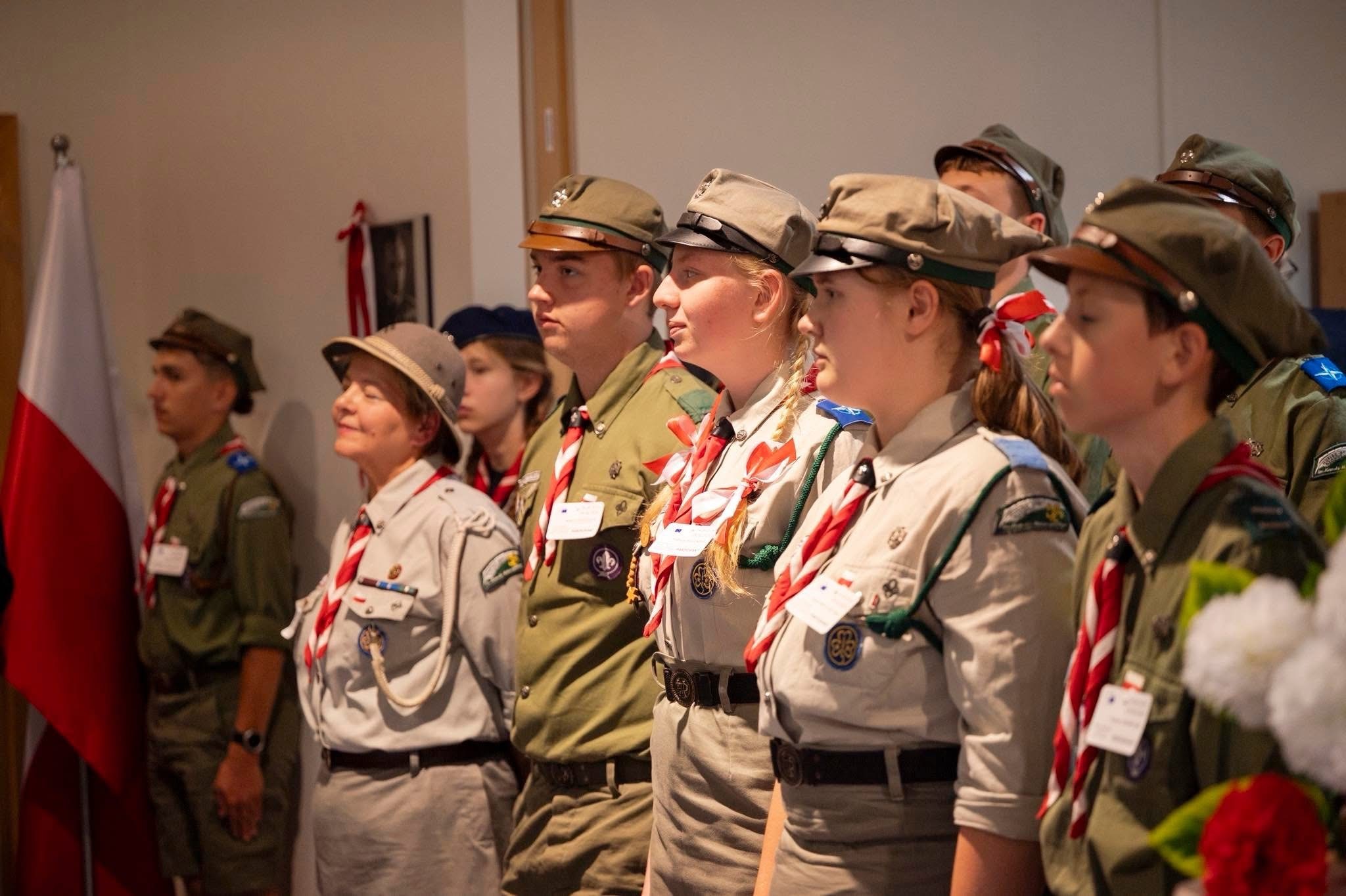
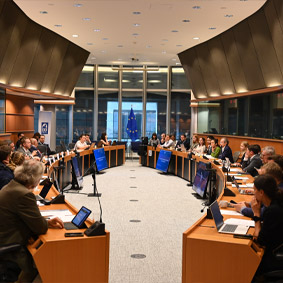
The event, organized by PiS MEPs Małgorzata Gosiewska and Adam Bielan, was attended by MEPs, Boy Scouts, representatives of the Institute of National Remembrance and the Museum of Cursed Soldiers and Political Prisoners of the Polish People’s Republic, as well as invited guests.
Speakers included, among others, Members of the European Parliament Małgorzata Gosiewska and Adam Bielan, IPN Vice President Dr. Krzysztof Szwagrzyk, and Jacek Pawłowicz from the Museum of the Cursed Soldiers and Political Prisoners of the Polish People’s Republic.
After the plaque was unveiled, the event participants proceeded to the official opening of an exhibition dedicated to Captain Witold Pilecki. The exhibition, prepared by the Warsaw branch of the Institute of National Remembrance, traces the most important stages of Pilecki’s life —from his struggle for independence in his youth, through his underground activities in Auschwitz, to his postwar persecution and execution in 1948. It will be on display at the European Parliament until the end of this week.
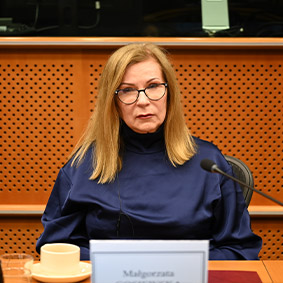
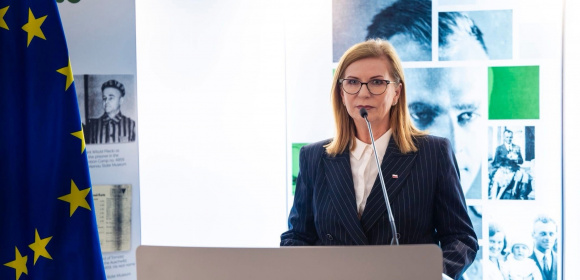
Małgorzata Gosiewska said that “today we are faced not with history in books, but with living history, told through the deeds, suffering, and steadfastness of one man.” “By opening this exhibition dedicated to Captain Witold Pilecki, we are paying tribute not only to a great Pole, but to a hero who deserves to be remembered by all of Europe,” she added.
The MEP presented a profile of the Polish hero, noting that Witold Pilecki was a soldier, a volunteer who went to Auschwitz, the author of the first reports on the Holocaust, a prisoner in communist torture chambers, a husband, a father, and a man of unwavering resolve. “His life story is a ready-made script that, even today, astounds with its courage and nobility,” Gosiewska stated, adding, however, that “this is not about a legend, but about the truth.”
She explained that this exhibition is not merely a presentation of facts, but is intended to serve as a reminder of what it truly means to serve one’s nation, to love one’s homeland, and to make selfless sacrifices. “In an age when the concepts of good and evil are being relativized, Captain Pilecki reminds us that there are values that are non-negotiable. That truth, freedom, and honor are priceless,” she emphasized.
The PiS MEP stressed that Captain Pilecki “did not seek glory,” and to support this point, she quoted his words: “I tried to live in such a way that, at the hour of my death, I might rejoice rather than fear.”
Małgorzata Gosiewska noted that today, in the face of the challenges Europe is grappling with— war, an identity crisis, cultural relativism, and attempts to redefine the family, the nation, and history, we particularly need role models who are more than just media symbols. “We need real figures, rooted in sacrifice and truth. Figures such as Captain Witold Pilecki. Honor and glory to the Hero! Long live the memory of Captain Pilecki—a Polish soldier, the conscience of Europe,” she said.
Adam Bielan said that Captain Witold Pilecki was one of the most heroic, yet tragic, figures in the history of Poland and indeed all of 20th-century Europe. “Witold Pilecki was a soldier, a patriot, a father, a man of deep faith, but above all, he was faithful to a single idea—a free and independent Poland,” — said Bielan, noting that it was precisely this loyalty that led him to the German concentration camp at Auschwitz as a volunteer who wanted to gather information about German crimes and pass it on to the Allies. Then, as Bielan explained, after escaping from the camp, Pilecki did not choose to go into exile, but instead took up arms and fought in the Warsaw Uprising, and when a second period of oppression—this time under Soviet rule—came after the war, he remained in the country. “And for this stance, he paid the ultimate price—he was sentenced to death by a communist court and murdered in 1948, buried in an unmarked grave,” said the MEP.
Bielan stated that Captain Pilecki had no illusions about either of the totalitarian regimes that swept through Poland and Europe in the 20th century. He said that both German Nazism and Soviet communism were, for the Polish hero, the embodiment of evil, based on contempt for human life, freedom, and truth. As he explained, it was no coincidence that his name was included in the 2009 European Parliament resolution designating August 23 as the Day of Remembrance for the Victims of Totalitarian Regimes. “Parliament saw him as a symbol of resistance against tyranny, but we, as Polish ECR MEPs, want to remind everyone that Captain Pilecki was not an ideologue of any supranational community—he was loyal to his homeland, and his choices stemmed from his love for Poland,” said the PiS politician, emphasizing that at a time when the European debate too often overlooks the identities of nations, the diversity of historical experiences, and the suffering of Central and Eastern Europe, we must remind ourselves that it was precisely from these peripheries that a man emerged who had the courage to stand up to two totalitarian regimes. “As the ECR Group, we believe that Europe can be a community of values only if it is based on truth, the sovereignty of nations, and respect for their history. Captain Pilecki is the best testament to this truth,” he emphasized.
Dr. Krzysztof Szwagrzyk noted that honoring Captain Pilecki in the European Parliament is a unique event that holds special significance for Poles. “This is a great day for us, Poles. We have gathered at the European Parliament to pay tribute to our hero, Captain Witold Pilecki. We, Poles, are proud that he was part of our history, that we can look up to him, admire him, and draw inspiration from his steadfast, noble, and patriotic attitude, which he maintained until his very last moments,” said the deputy head of the Institute of National Remembrance.